The Global Economic Dynamics and the Biosphere programme (GEDB) is hiring research assistants with a bachelor’s, or master’s degree to help us advance a range of new research initiatives.

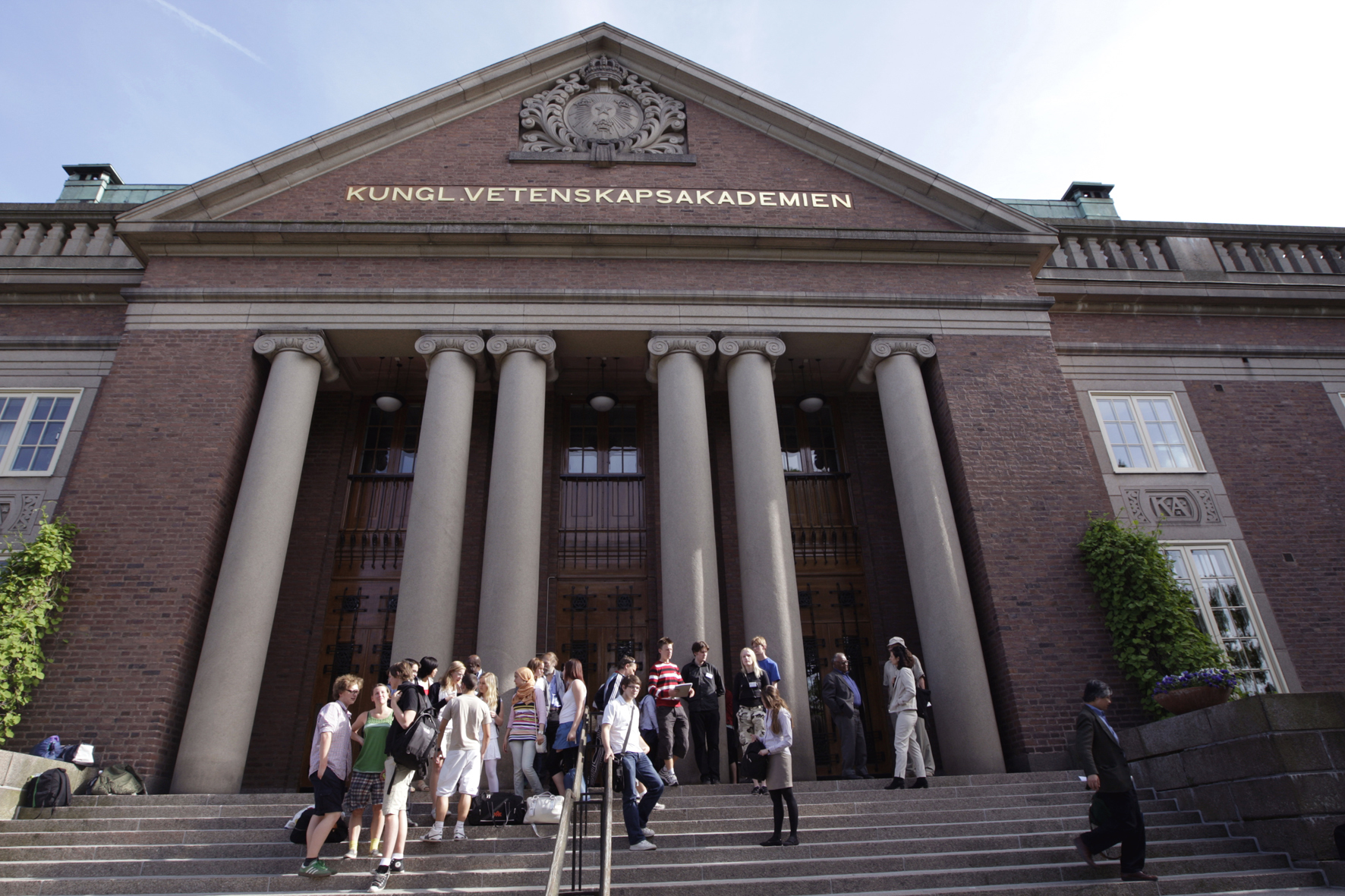
The Global Economic Dynamics and the Biosphere is a research programme at the Royal Swedish Academy of Sciences. The Programme addresses the economic dynamics of global change and its implications for a sustainable future and is funded by the Erling-Persson Family Foundation.
Tasks and qualifications
We are currently looking for several research assistants with a bachelor’s, or master’s degree to help us advance a range of new research initiatives. The work will be distributed across the various research activities of GEDB, focusing on finance in the context of global environmental change and the link between biodiversity and health. Therefore, applicants should be prepared to combine multiple tasks of possibly varying nature.
We are looking for candidates with strong analytical skills. This includes, but is not limited to quantitative analysis, such as R or Python programming, automated use of LLMs for data extraction and coding, and being comfortable with data handling in excel and similar). Documented experiences in sustainable finance and/or corporate sustainability reporting will be particularly valued but are not essential. We are looking for colleagues who are passionate about bringing science into financial decision-making and ready to support a team of researchers with that ambition.
Assistants work closely with our team of interdisciplinary researchers to compile literature (scientific and “grey” literature), identify, amass, and analyse relevant data and summarise important work related to the specific topic in focus. Assistants may also be required to help organise, and participate in, international workshops. Assistants can expect to often be part of the full research process, and as such the RA positions should be seen as an excellent opportunity to gather research experience for candidates interested in an academic future.
Candidates must be EU/EEA citizens or have a permanent EU residency permit and a valid work permit to be eligible for the position. You will be expected to work from the office in Stockholm.
Duration
100% for 12 months (with possible/likely extension), starting from as soon as possible (start date is negotiable).
Location
Employment is based at the Royal Swedish Academy of Sciences in Stockholm, Sweden.
Salary
Salary range for Research assistants in 2026 is 29,500–32,900 Swedish kronor, with entry-level assistants at 29,500 kr/month.
Application
We encourage qualified candidates from diverse backgrounds and experiences to apply for the position.
Last application date: 2026-03-31, but send your application as soon as possible as we will be conducting interviews throughout the application period.
Applications should include:
- CV
- List of relevant publications (if you have) – do not send full papers as they will not be considered in the initial stage
- A description of your skills and experience as they relate to those called for in the job description
- Contact details to at least two references
Please note: Send your application as one file (PDF). Do not send any other documents as these will not be considered at the initial stage.
Applications should be e-mailed to gedb_appl@kva.se, at the Global Economic Dynamics and the Biosphere, the Royal Swedish Academy of Sciences. Mark your application (and email subject heading) “GEDB RA 2026”. Applications not marked risk not being prioritised.
Applicants called for interview will be expected to complete short assignments for skills assessment.
The Royal Swedish Academy of Sciences in an independent organisation whose overall objective is to promote the sciences and strengthen their influence in society. It promotes science of the highest quality by fostering development and innovation in Swedish research. It enhances the status of science in society by drawing attention to key social issues and examining them in scientific terms, and participates in cooperation on global issues with the aim of being an international scientific proponent for sustainable development.