"to promote the sciences and strengthen their influence in society"

Nobel Prizes

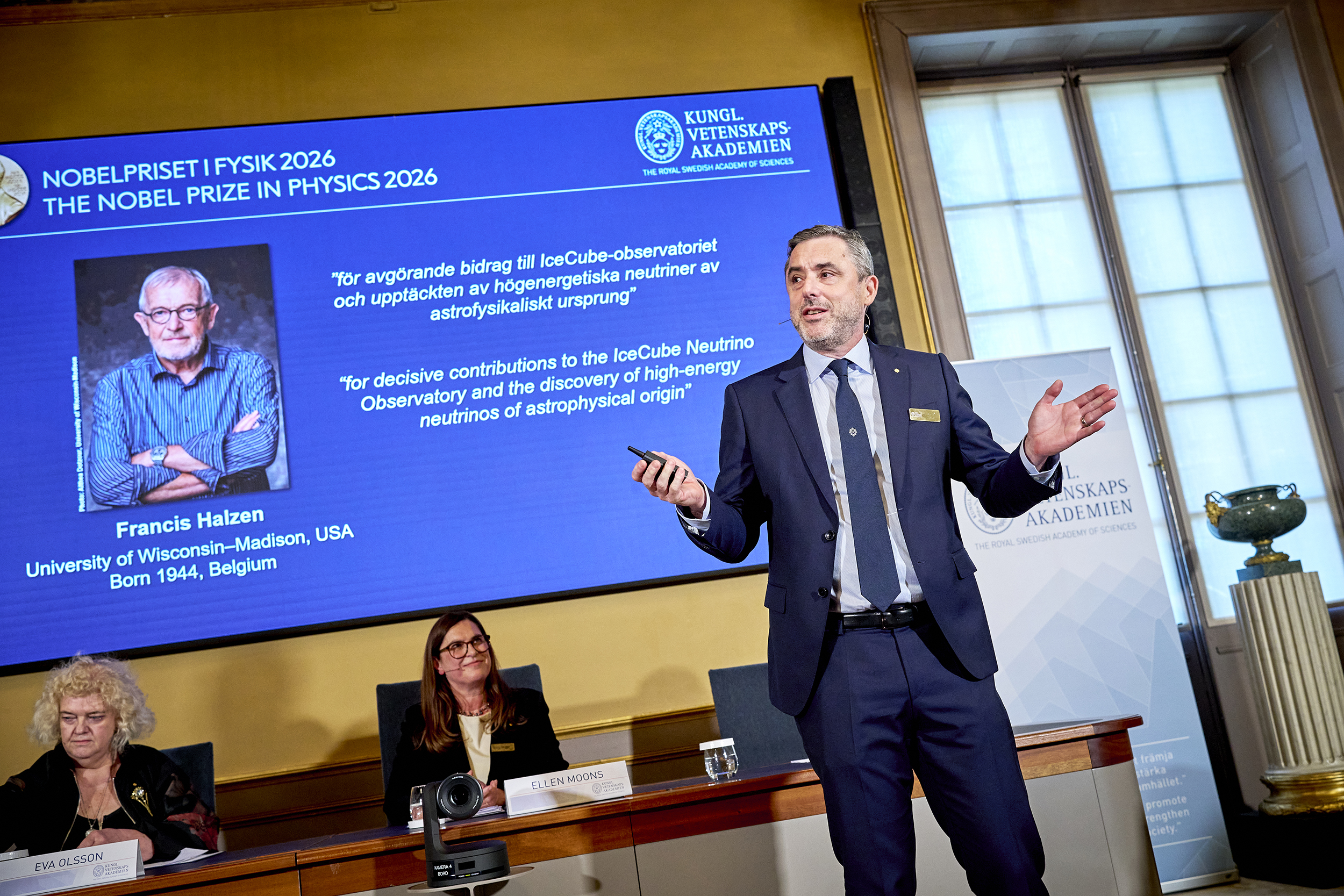
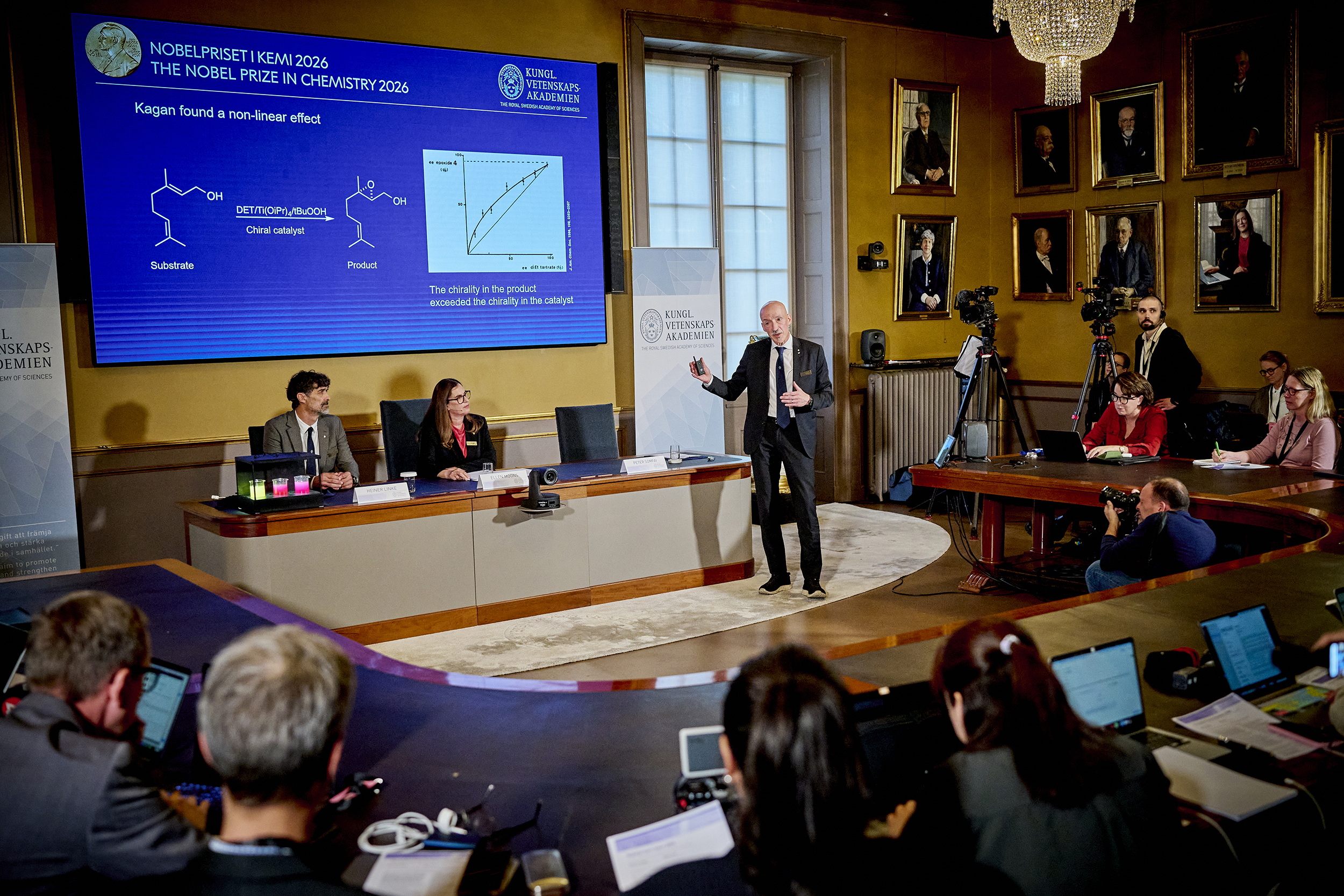
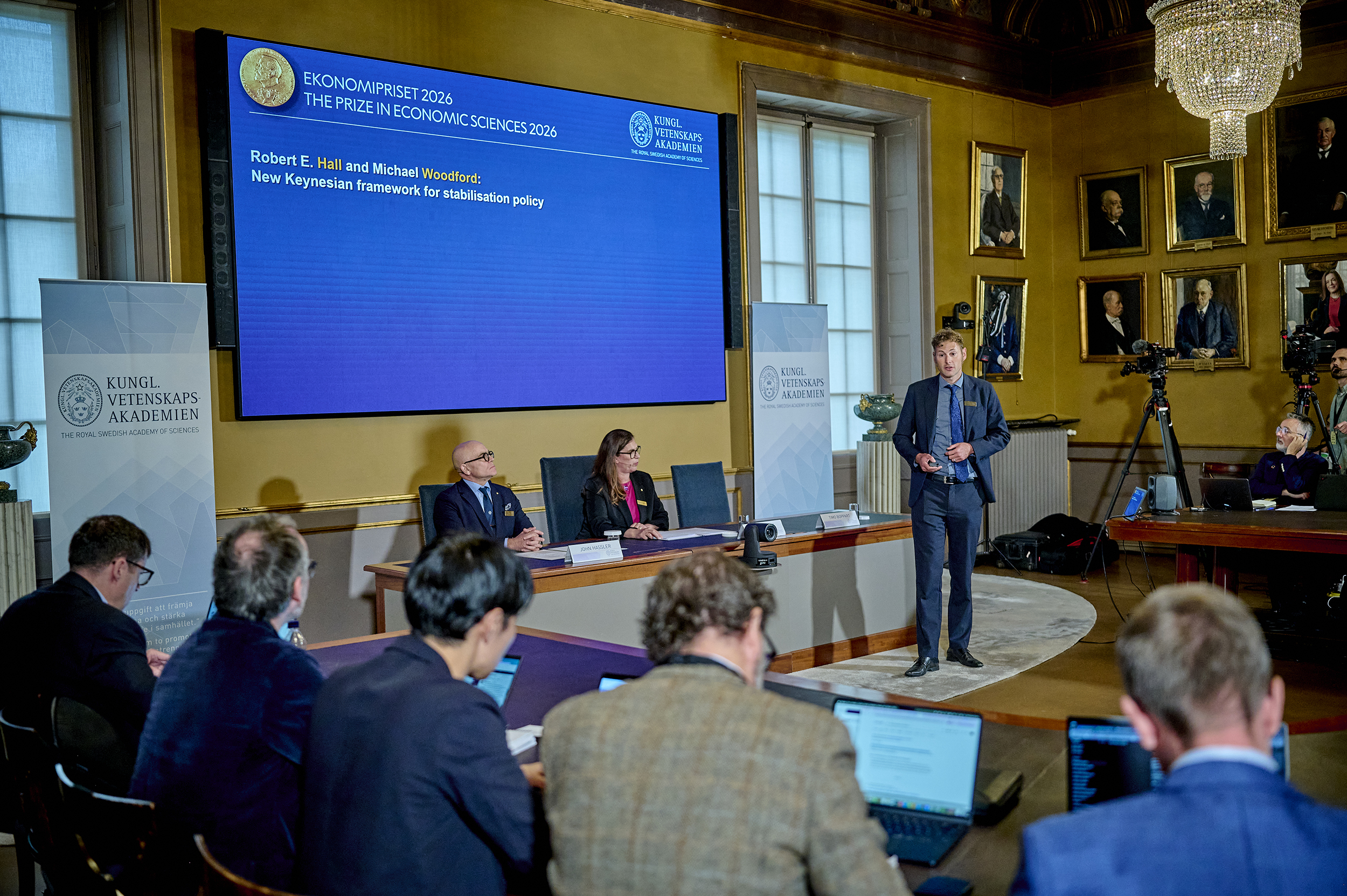
By the terms of Alfred Nobel’s will the Nobel Prizes in Physics and Chemistry have been awarded by the Academy since 1901. The awarding ceremony takes place on 10 December, the anniversary of Alfred Nobel’s death. Each prize can be shared by three laureates at the most. The Laureates are announced here and at Nobelprize.org every year in mid-October immediately after they have been chosen. Since 1969, the Academy also awards the Sveriges Riksbank Prize in Memory of Alfred Nobel, which is presented at the menu Prize in Economic Sciences.

The Nobel Prize in Physics 2011

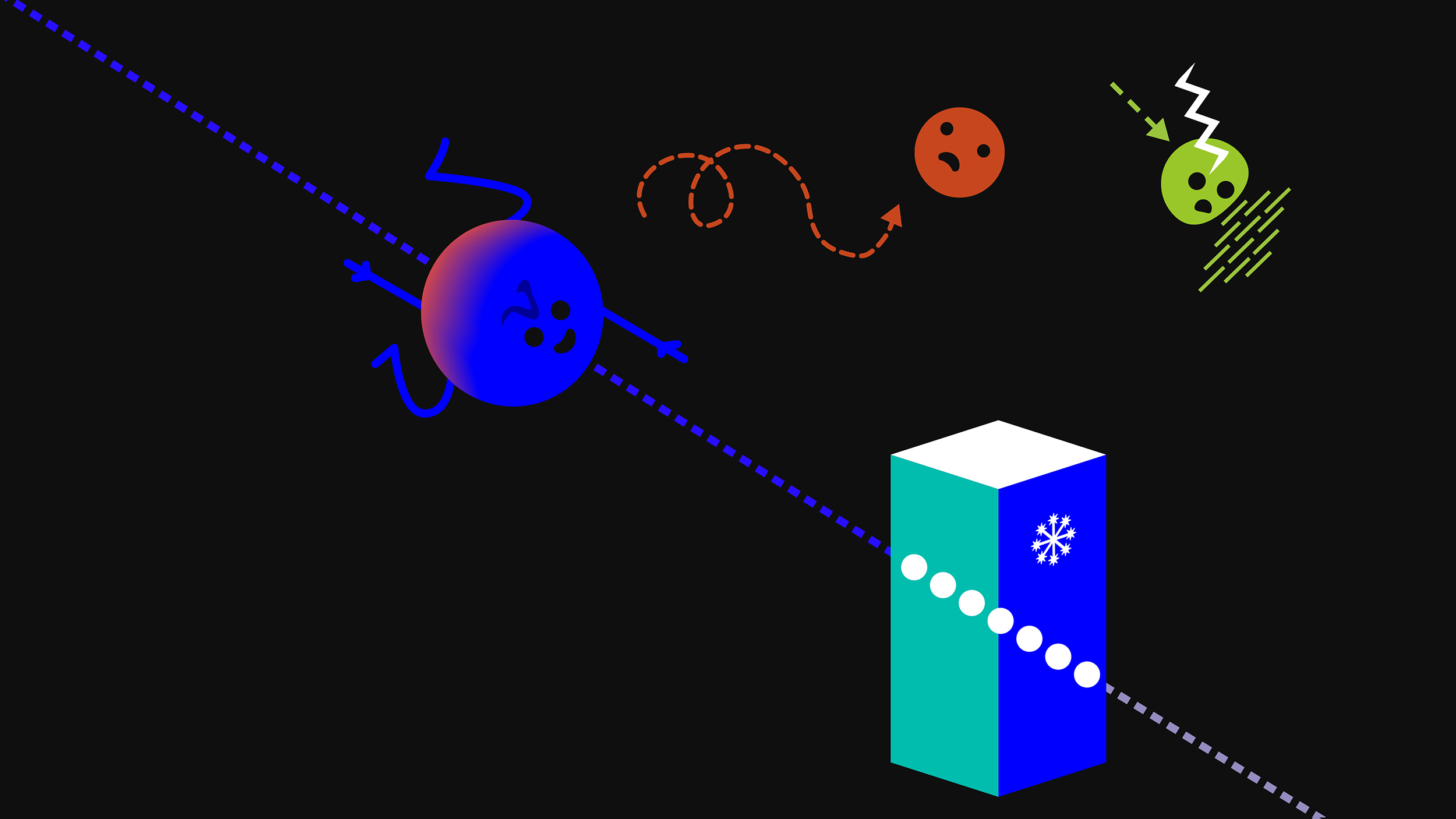
Illustration: Johan JarnestadThe Royal Swedish Academy of Sciences has decided to award the Nobel Prize in Physics for 2011 with one half to
Saul Perlmutter, The Supernova Cosmology Project, Lawrence Berkeley National Laboratory and University of California, Berkeley, CA, USA, and the other half to
Brian P. Schmidt, The High-z Supernova Search Team, Australian National University, Weston Creek, Australia, and Adam G. Riess, The High-z Supernova Search Team, Johns Hopkins University and Space Telescope Science Institute, Baltimore, MD, USA, "for the discovery of the accelerating expansion of the Universe through observations of distant supernovae".

Press release


Announcement of the Nobel Prize in Physics 2011

The Nobel Prize in Chemistry 2011

Illustration: Johan JarnestadThe Royal Swedish Academy of Sciences has decided to award the Nobel Prize in Chemistry for 2011 to Dan Shechtman, Technion – Israel Institute of Technology, Haifa, Israel “for the discovery of quasicrystals”

Press release


Announcement of the Nobel Prize in Chemistry 2011

Nobel Posters

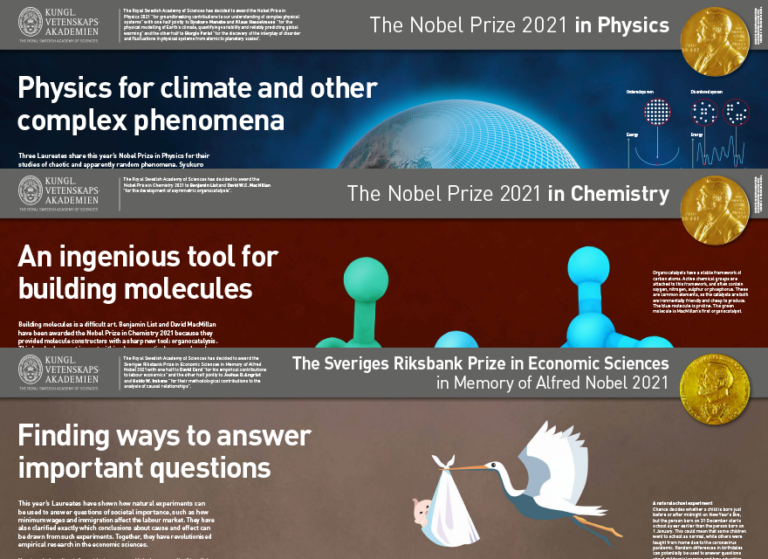
Why have the Laureates received the world’s most prestigious prize? Posters explaining the prize contributions in physics , chemistry and economic sciences are produced annually in several languages and distributed to schools and scientific institutes in many countries. Free copies can be ordered from the Academy's reception desk by e-mail posters@kva.se, or phone +46 86739500.

The Nobel poster for physics 2010Graphene - the perfect atomic lattice
 A thin flake of ordinary carbon, just one atom thick, lies behind this year’s Nobel Prize in Physics. Andre Geim and Konstantin Novoselov have shown that carbon in such a flat form has exceptional properties that originate from the remarkable world of quantum physics.


The Nobel poster for chemistry 2010Great art in a test tube
Humanity wants new medicines that can cure cancer or halt the devastating effects of deadly viruses in the human body. The electronics industry is searching for substances that can emit light, and the agricultural industry wants substances that can protect crops. The Nobel Prize in Chemistry 2010 rewards a tool that has improved the ability of chemists to satisfy all of these wishes very efficiently: palladium-catalyzed cross coupling.  


The poster for economic sciences 2010Markets with frictions
Why are so many people unemployed at the same time that there are a large number of job openings? How can economic policy affect unemployment? This year’s Laureates have developed a theory which can be used to answer these questions. This theory is also applicable to markets other than the labor market . 


Nobel Lectures


The Nobel Lectures are held in Aula Magna, Stockholm University.In connection with the awarding ceremonies in December each year, the Nobel Prize and Economics laureates hold their prize lectures. Since 1999 the lectures available on the Internet at Nobelprize.org.


Nominating and awarding  

Marie Curie, Nobel Laureate in physics 1903 and chemistry 1911. The nomination and selection of the Nobel laureates is to a large extent handled by the Nobel Committees of the Academy. Each year the committees send invitations to thousands of scientists, members of academies and university professors in numerous countries, asking them to nominate candidates for the Nobel Prize for the coming year. Those who are competent to submit nominations are chosen in such a way that as many countries and universities as possible will be represented. Members of the Academy and former laureates are also authorised to nominate candidates.


The nominations received by each committee are then investigated with the help of specially appointed experts. When the committees have made their selection among the nominated candidates and have presented their recommendation to the Academy, a vote is taken for the final choice of laureates. The Academy's decisions are announced and published on the Academy’s and the Nobel Foundation’s web sites immediately after the vote in mid-October each year.

More information

Nobelprize.org (all prizes)
Nobel Museum, Stockholm
Karolinska Institutet (medicine)
Swedish Academy (literature)
Norwegian Nobel Institute (peace)

Kungl. Vetenskapsakademien