What do logic and philosophy, mathematics, and art and music have in common? They are all disciplines that Rolf Schock loved and chose to combine in a prize that bears his name. This year, the Rolf Schock Prizes goes to philosopher Bastiaan van Fraassen, mathematician Tobias Colding, architect Arno Brandlhuber, and composer, conductor and musician Maria Schneider.
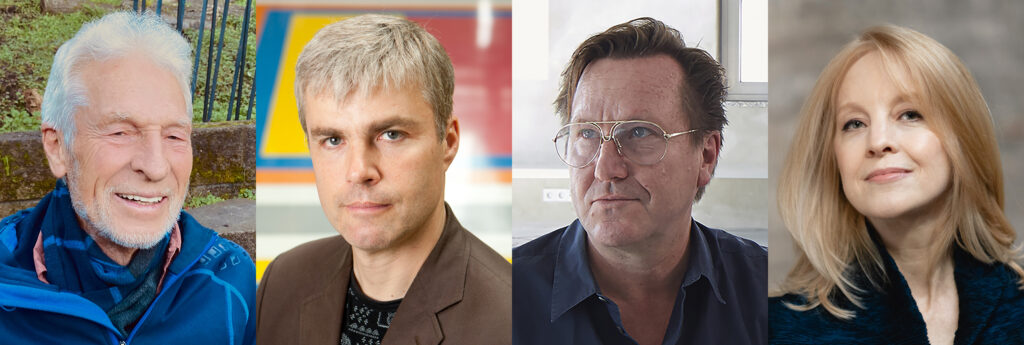
The Rolf Schock Prize Laureates will each receive 600,000 Swedish kronor, and are selected in collaboration between three Swedish academies: the Royal Swedish Academy of Sciences, the Royal Academy of Fine Arts and the Royal Swedish Academy of Music. The prize brings scientists together with practitioners of art and music, and is thus unique in its composition. It dates back to 1993 and recently it has been awarded every two years.
Logic and Philosophy
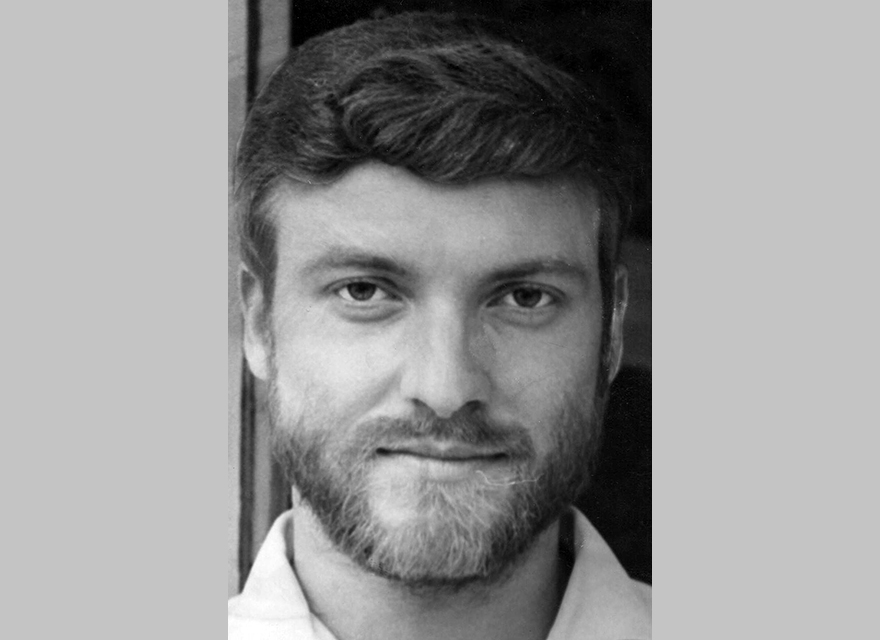
The 2026 Rolf Schock Prize in Logic and Philosophy is awarded to Bastiaan C. van Fraassen, Princeton University, New Jersey, USA
“for developing a compelling empiricist account of scientific reasoning that moved decisively beyond logical empiricism, profoundly influenced contemporary philosophy of science and shaped the scientific realism debate.”

Empiricism states that we acquire all our knowledge through our senses. Nonetheless, we believe we know some things that cannot be directly observed (such as elementary particles and force fields in physics). Therefore, we cannot rely solely on observations when determining which assumptions are correct.
According to empiricism, different theories could conceivably lead to the same predictions about what can be observed, but they could still differ in their assumptions about the underlying, unobservable quantities. Previously, some empiricists maintained that such assumptions cannot be regarded as true/false statements about reality. This interpretation has, however, proved deeply problematic, so it has been generally abandoned in recent years. Instead, constructive empiricism, as formulated by Bastiaan C. van Fraassen, has gained acceptance.
According to constructive empiricism, we can interpret assumptions about unobservable conditions literally (as statements about reality), while remaining sceptical about claims to knowledge that go beyond what we can observe. The goal of science, which is regarded as the development of theories that correspond to our observations, is in any case achieved.
Bastiaan C. van Fraassen was born in the Netherlands in 1941. He received his doctorate from the University of Pittsburgh in 1966 and has been employed at Princeton University since 1982. His current title is McCosh Professor of Philosophy, Emeritus. He says he was amazed, glad, proud and very thankful when receiving the news he has been awarded the Rolf Schock Prize in Logic and Philosophy.
Press contact:
Eva Nevelius, Press Secretary at the Royal Swedish Academy of Sciences
eva.nevelius@kva.se
+46-70-878 67 63
Mathematics
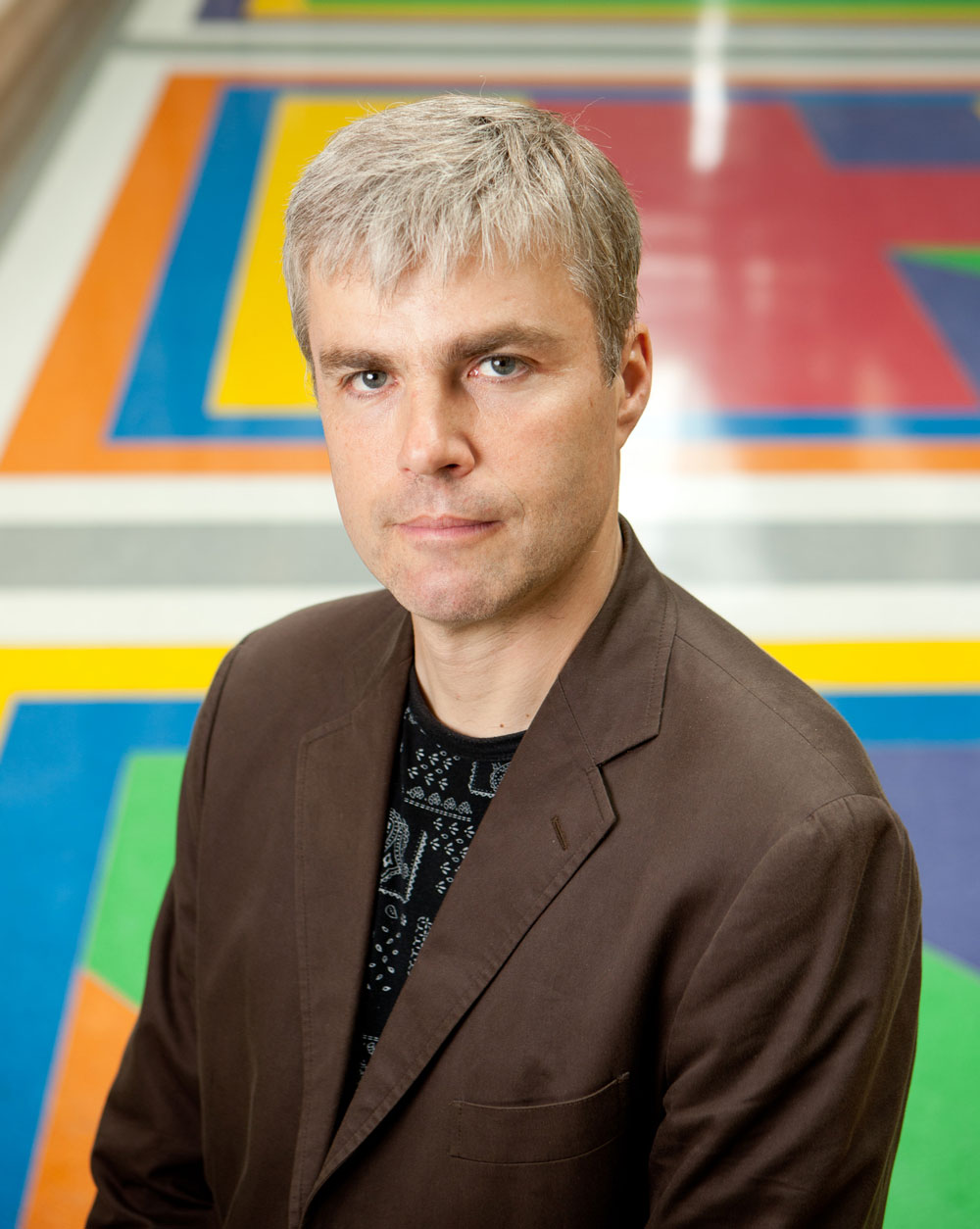
The 2026 Rolf Schock Prize in Mathematics is awarded to Tobias Holck Colding, Massachusetts Institute of Technology (MIT), Cambridge, USA
“for profound contributions to the theory of minimal surfaces and geometric flows.”
A minimal surface is a surface that minimises area – an everyday example being the soap film that forms when a wire frame is dipped into a soap solution. Colding’s research has led to the resolution of several conjectures about the geometrical properties of minimal surfaces. One striking example is the result that a complete embedded minimal surface of finite genus is properly embedded. This roughly means that it must be large at infinity.
Geometric flows are continuous deformations of geometrical objects. For example, the mean curvature flow has the property of decreasing the area of surfaces. A surface that is fixed by the mean curvature flow is thus a minimal surface. Colding has demonstrated several fundamental results for natural geometric flows, which have striking applications in the geometry and topology of manifolds and their minimal submanifolds.
Colding was born in Copenhagen and completed his PhD at the University of Pennsylvania in 1992. He has been a professor of mathematics at MIT since 2005 and is currently the Cecil and Ida Green Distinguished Professor. He is greatly honoured to be named as a recipient of the 2026 Rolf Schock Prize in Mathematics and would like to thank his many collaborators throughout the years.
Press contact:
Eva Nevelius, Press Secretary at the Royal Swedish Academy of Sciences
eva.nevelius@kva.se
+46-70-878 67 63
Visual arts
The 2026 Rolf Schock Prize in Visual Arts is awarded to the architect Arno Brandlhuber
“for combining practice, theory and teaching in consistent explorations of the fundamental issues of building and urban environments, and for focusing on the social and collective aspects in his interdisciplinary collaborations. Unexpected solutions with a strong character point to new ways forward.”
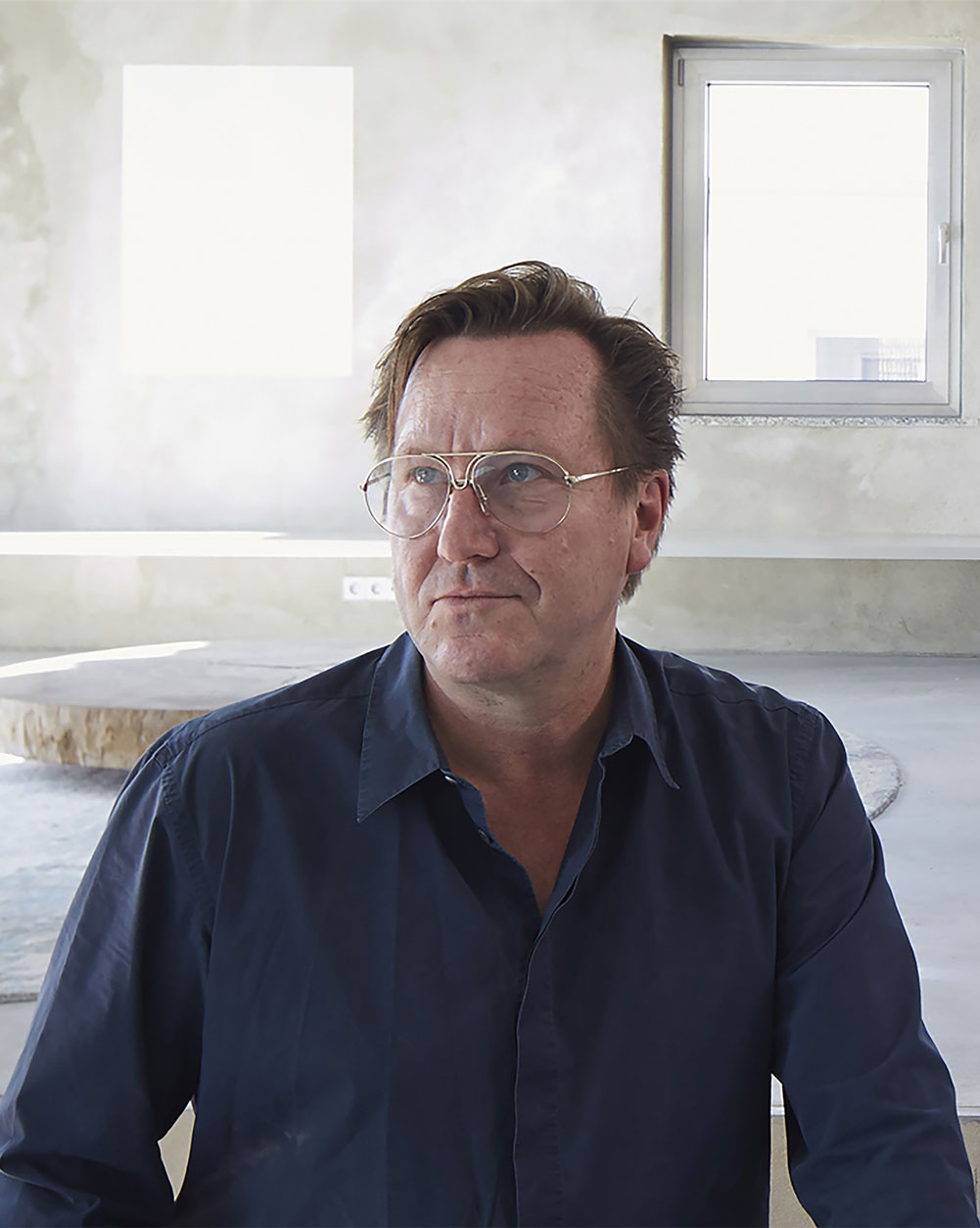
Arno Brandlhuber, born in 1964, is a German architect, urban researcher, mediator and activist. Since the early 1990s, he has developed a collaborative practice that extends the field of architecture to the public, policy and legislation. With a growing team, he is advocating for a fundamental value-shift in the construction sector – socially, ecologically, and economically.
He has taught at the Academy of Fine Arts in Nuremberg, the Vienna University of Technology, Harvard GSD and other institutions, and since 2017 has held a chair at ETH Zürich, where he is developing station.plus. Today, he heads the architecture and research team Brandlhuber+ in Berlin and is co-founder of the collaborative practice bplus.xyz and the non-profit organisation HouseEurope.eu.
Arno Brandlhuber’s collaborative projects range from buildings such as Antivilla, Terrassenhaus and the own studio San Gimignano Lichtenberg, to films like Architecting after Politics, and Power to Renovation, and to platforms such as HouseEurope!. He says that being awarded the Rolf Schock Prize is both overwhelming and an extraordinary honour:
“Rolf Schock’s legacy and his exceptional interest in logic, mathematics and art touch me deeply and resonate on a very personal level.”
Press contact:
Therese Sheats
Communications Manager at the Royal Academy of Fine Arts,
therese.sheats@konstakademien.se
+46-70- 224 01 47
Musical Arts
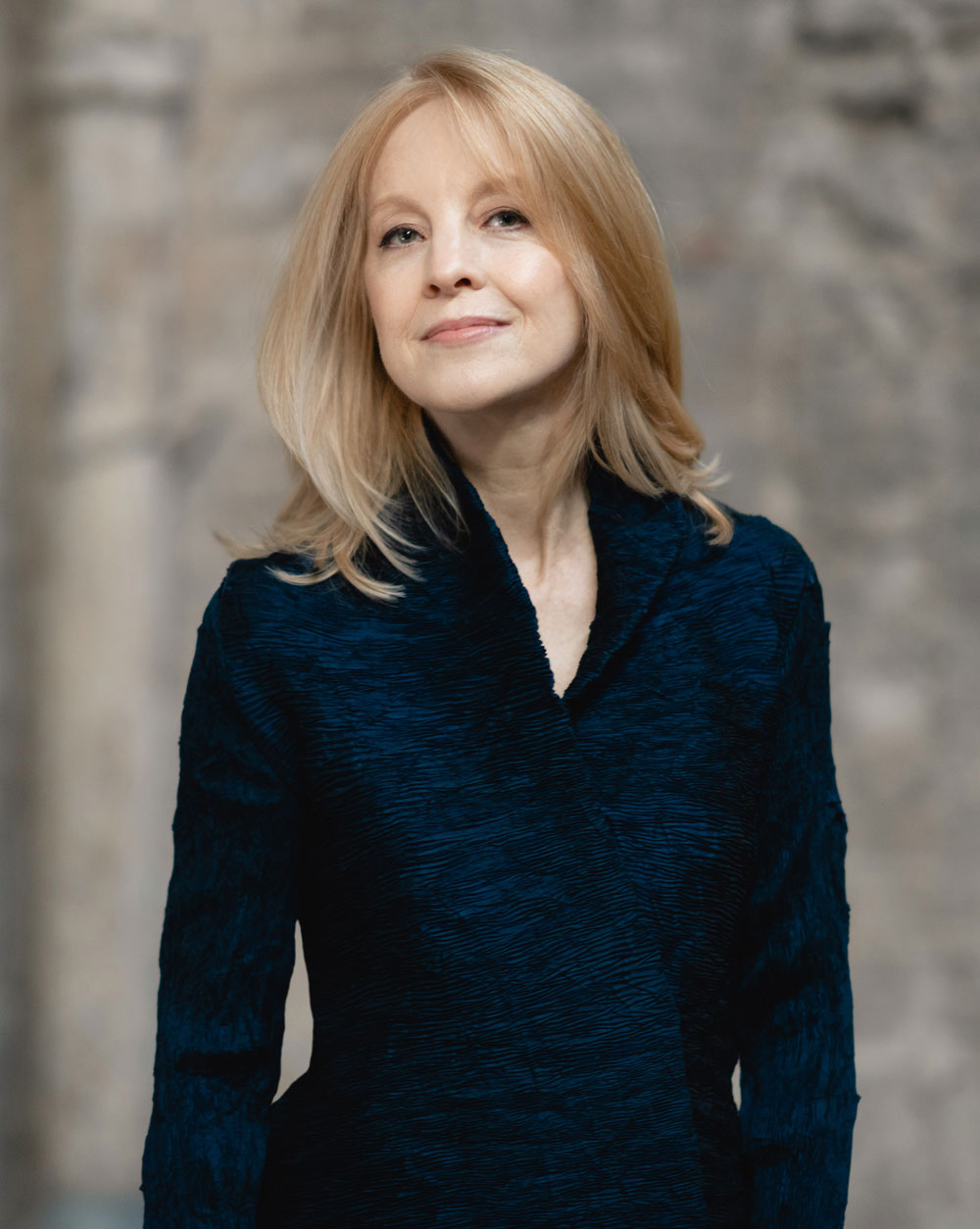
The 2026 Rolf Schock Prize in the Musical Arts is awarded to composer, conductor and jazz musician Maria Schneider.
“for her unique and innovative artistry, in which her compositions combine humility, precise form and deeply personal expression. Through her internationally influential creativity and significant work for musicians’ rights, she is an important role model and provides inspiration for new generations in the art form of jazz.”
Maria Schneider (born in 1960, USA) is an internationally recognised, award-winning composer and conductor, known for the pioneering work of her Maria Schneider Jazz Orchestra, among other achievements. Her extensive body of work spans many years and includes collaborations with Jazz at Lincoln Center, Saint Paul Chamber Orchestra, American Dance Festival and David Bowie. Schneider is one of the few people to have received Grammy Awards in multiple genres, including jazz and classical.
As an icon in the field of orchestral jazz music, she is an innovator whose work unites new ideas and the deep roots of jazz tradition, as well as being a prominent advocate for musicians’ rights and copyright. She says receiving the Rolf Schock Prize is deeply meaningful to her:
“Sweden was the first country to truly embrace my music. This recognition feels like a return to a place that shaped both my artistic life and my understanding of what a society can be when culture is highly valued”.
Press contact:
Fredrik Wetterqvist, Permanent Secretary of the Royal Swedish Academy of Music
fredrik.wetterqvist@musikaliskaakademien.se
+46 (0)70 889 55 84
About the prize
On his death in 1986, Rolf Schock left a significant fortune. In his will, he donated funds to enable the awarding of a prize bearing his name. His desire was for the Royal Swedish Academy of Sciences to propose laureates in mathematics and in logic and philosophy, for the Royal Academy of Fine Arts to propose laureates in one of the visual arts and the Royal Swedish Academy of Music in one of the musical arts. His fortune is managed by the Schock Foundation, which formally decides the laureates. The prize amount for 2026 is 600,000 Swedish kronor in each prize area, a total of 2.4 million Swedish kronor. The prizes will be awarded at the Royal Academy of Fine Arts in Stockholm, Sweden, on 8 June 2026.