The Royal Swedish Academy of Sciences has decided to award the Nobel Prize in Chemistry 2026 to
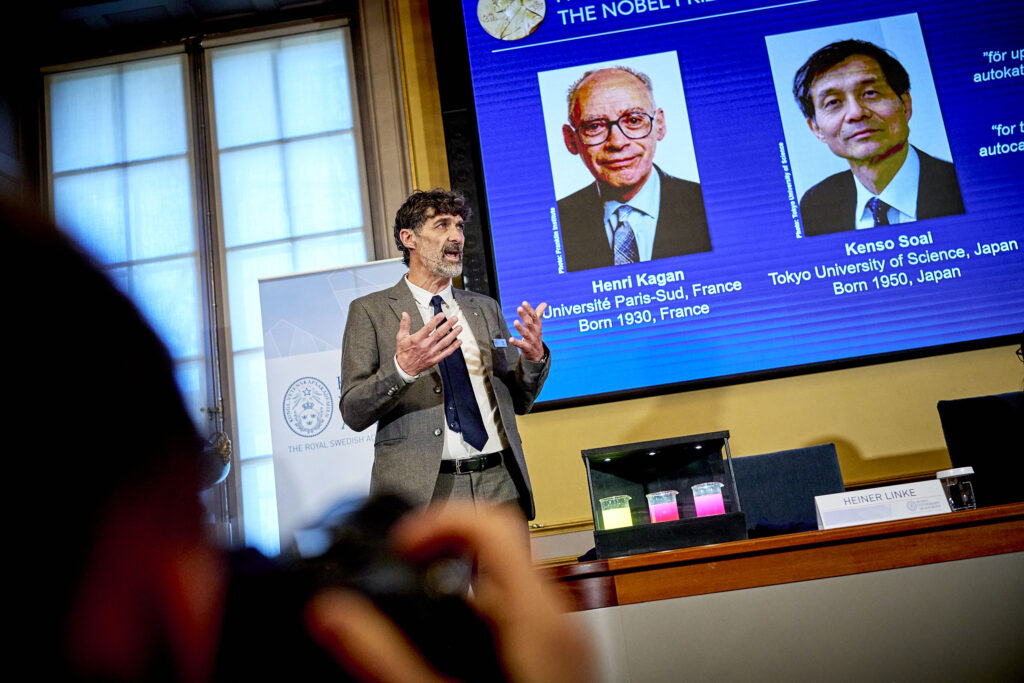
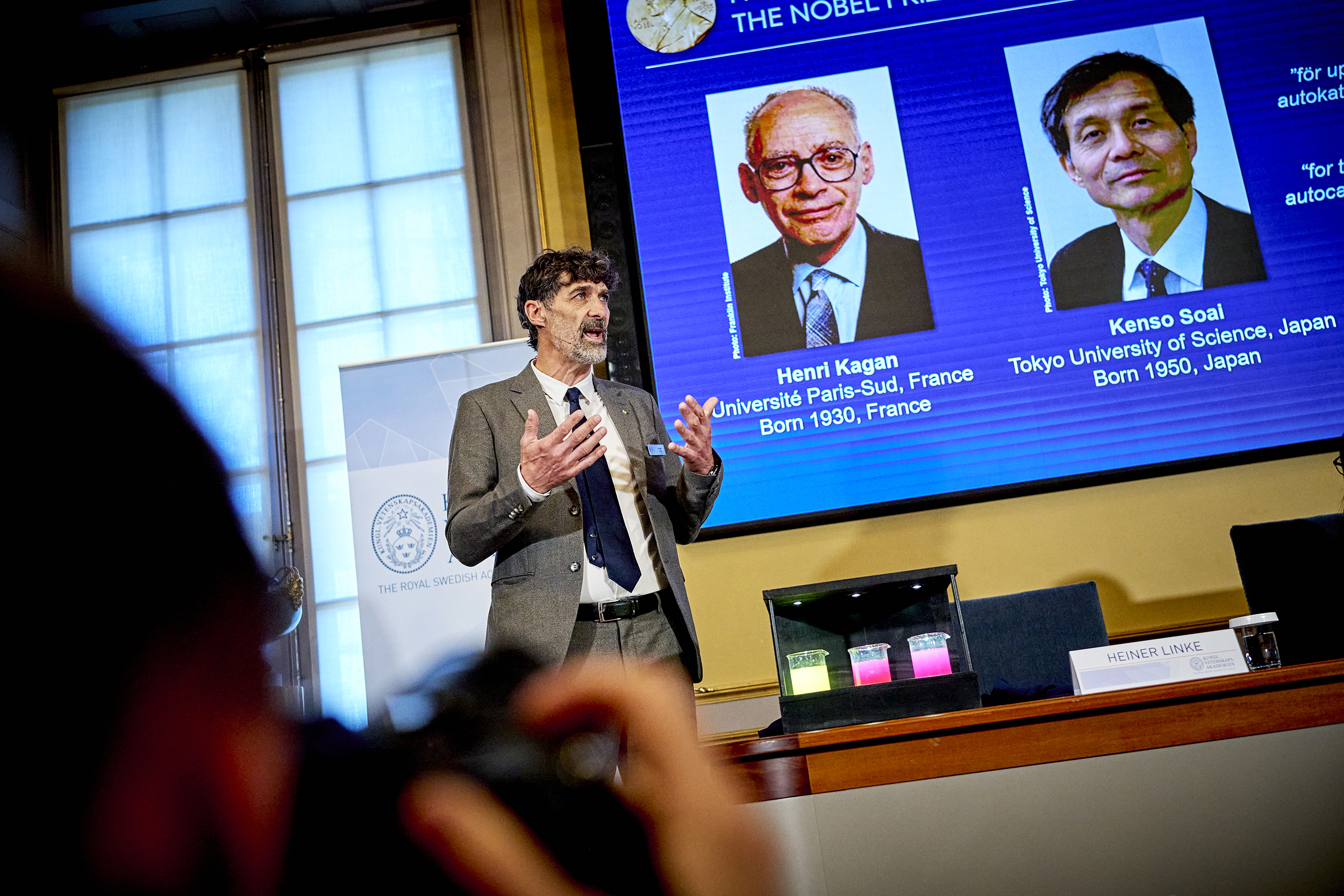
Henri B. Kagan, Université Paris-Sud, France and
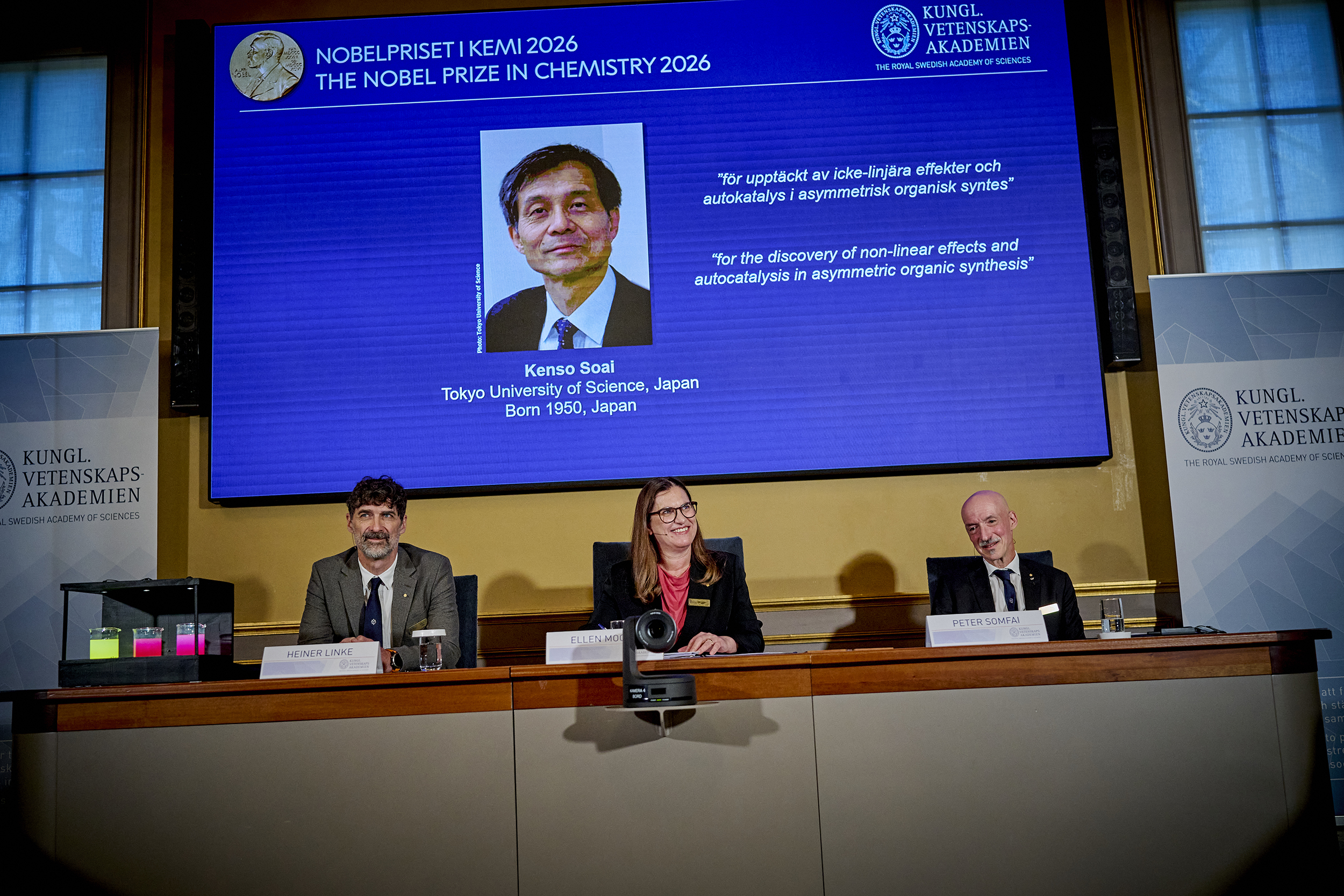
Kenso Soai, Tokyo University of Science, Japan.
“for the discovery of non-linear effects and autocatalysis in asymmetric organic synthesis”
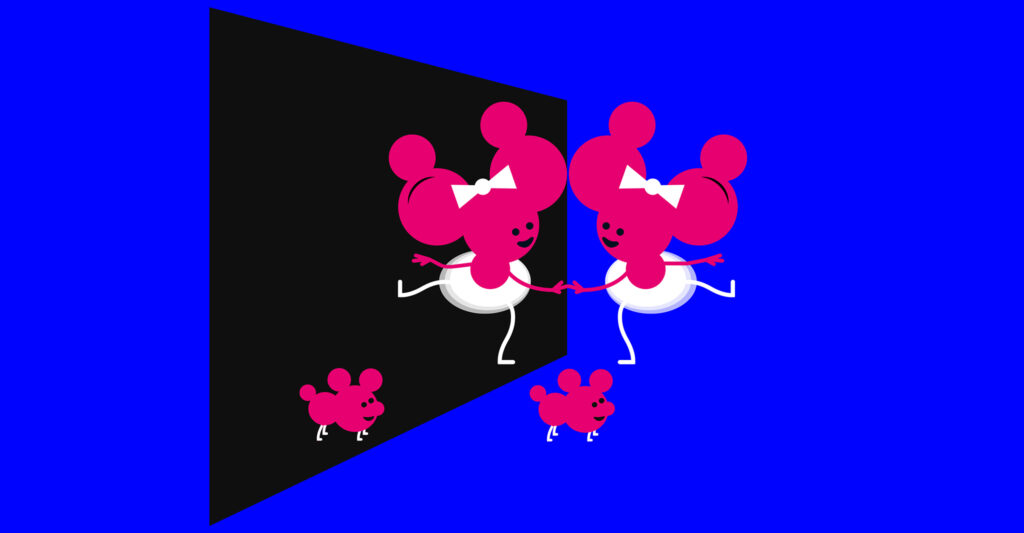
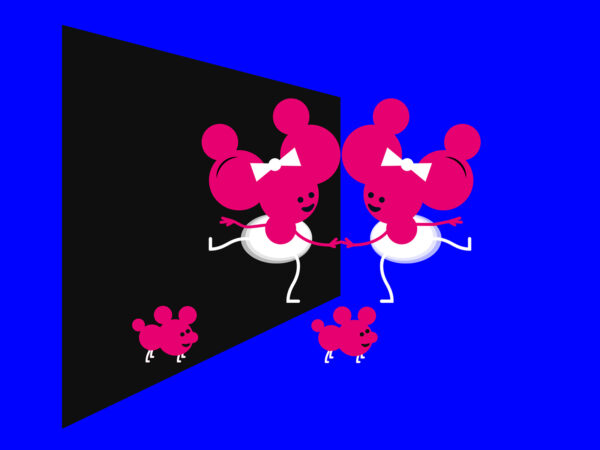
Some molecules, such as amino acids, exist as two variants that are each other’s mirror image. However, living organisms only contain one of these mirror images. How chemical asymmetry such as this could have emerged was long a mystery to chemists. Henri B. Kagan and Kenso Soai are awarded the Nobel Prize in Chemistry 2026 for discovering a solution to this puzzle.
Life’s chemistry is what chemists call homochiral, after the Greek words for “same” and “hand”. Like hands, all amino acids exist as two mirrored variants, but only one of them is found in the proteins in your cells. The other is rarely found in nature.
For a long time, chemists wondered how homo-chirality can emerge. When they began to experiment with chemical reactions that can form two mirrored molecules, they always obtained equal proportions of both in their test tubes. However, chemists strived to produce only one of these mirror images, because in the development of molecules that will interact with living beings – such as in pharmaceuticals – only one mirror image will have the desired effect.
The Nobel Prize in Chemistry 2026 recognises discoveries that have enabled chemists to drive chemical reactions that lead to homochirality.
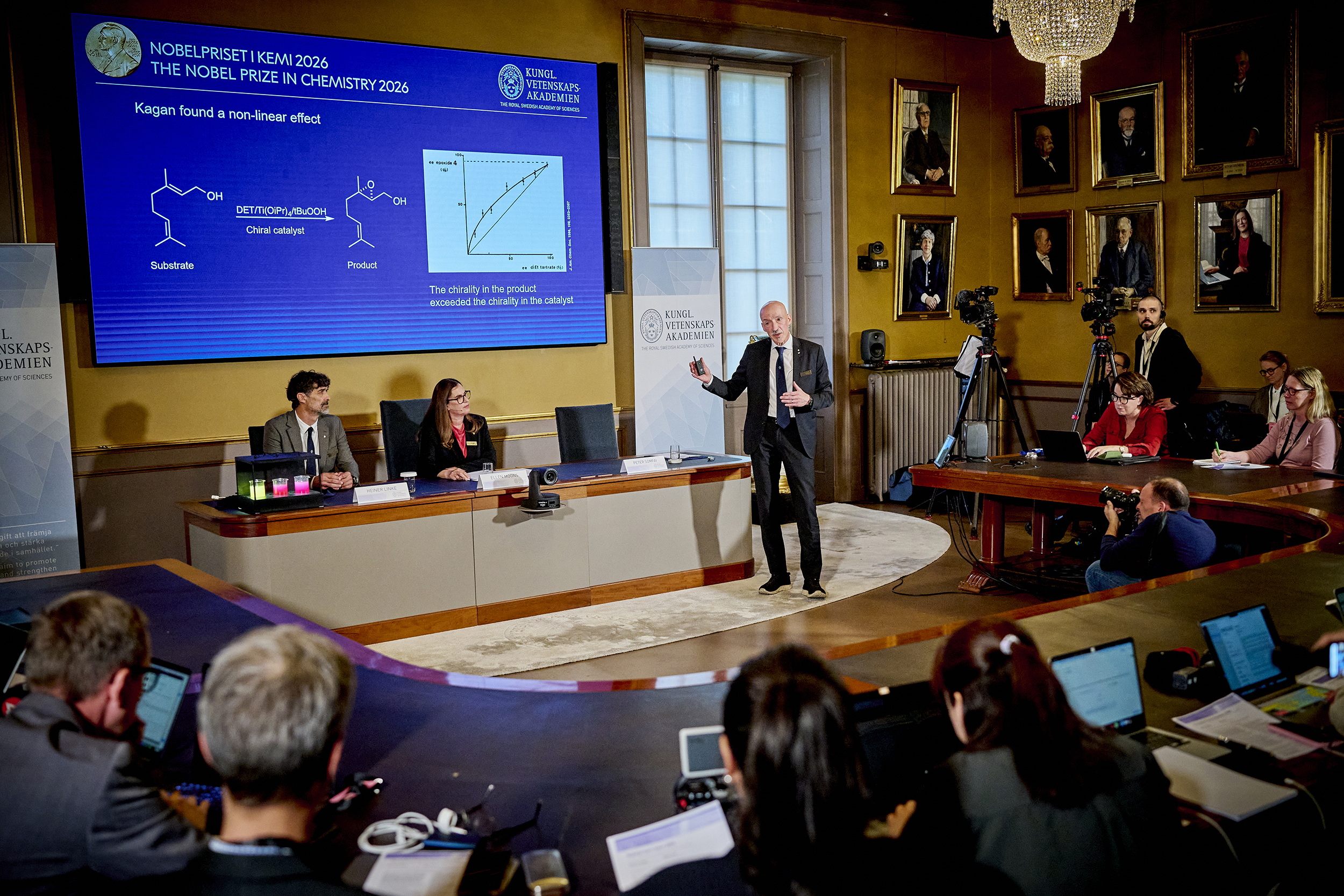
“Henri Kagan and Kenso Soai have provided a solution to a chemical mystery that is over a century old: how homochirality can emerge spontaneously. The chemical reactions they have developed are spectacular,” says Heiner Linke, chair of the Nobel Committee for Chemistry.
Henri Kagan took the first decisive step in 1986, when he discovered a new way of manipulating chemical reactions. This allowed him to create a greater excess of one of the mirror images than had previously been thought possible.
Kenso Soai took the next step. In 1995, a key publication describes how he designed the first ever chemical reaction that had the potential to be homochiral. In 2003, he finally succeeded. He presented a reaction in which only one of the two possible mirror images was formed. Other than life itself, no one had previously achieved this feat.
Thanks to Henri Kagan and Kenso Soai, we now know how homochirality can emerge. Their discoveries have been decisive for chemists who design reactions for the manufacture of pharmaceuticals.
Laureates
Henri B. Kagan, born 1930 in Boulogne-Billancourt, France. PhD 1960 from Collège de France, France. Professor Emeritus at the then Université Paris-Sud, France.
Kenso Soai, born 1950 in Hiroshima, Japan. PhD 1979 from University of Tokyo, Japan. Professor Emeritus at Tokyo University of Science, Japan.
Kenso Soai, Tokyo University of Science
Prize amount: 12 million Swedish kronor to be shared equally between the laureates.
More about this year’s prize
Illustrations, terms of use
The illustrations are free to be used by media for news reporting about the Nobel Prizes and the Prize in Economic Sciences, individual teachers and educators for educational purposes, individual researchers for research purposes, or private individuals for personal, non-commercial use. No modifications are allowed, and “©Johan Jarnestad/The Royal Swedish Academy of Sciences” must be noted. Commercial use for advertising purposes is not permitted.
For other uses, permission from the Royal Swedish Academy of Sciences is required. To apply for permission, please use the Academy’s contact form
Contacts
Press contact
Eva Nevelius, Press Secretary, the Royal Swedish Academy of Sciences
+46 70 878 67 63, eva.nevelius@kva.se
Expert
Peter Somfai, the Nobel Committee for Physics, The Royal Swedish Academy of Sciences
+46 70 693 63 77, peter.somfai@chem.lu.se
Read more about the Nobel Prize
The official Nobel Prize website
The Royal Swedish Academy of Sciences, founded in 1739, is an independent organisation whose overall objective is to promote the sciences and strengthen their influence in society. The Academy takes special responsibility for the natural sciences and mathematics, but endeavours to promote the exchange of ideas between various disciplines.
Nobel Prize® and the Nobel Prize® medal design mark are registered trademarks of the Nobel Foundation.
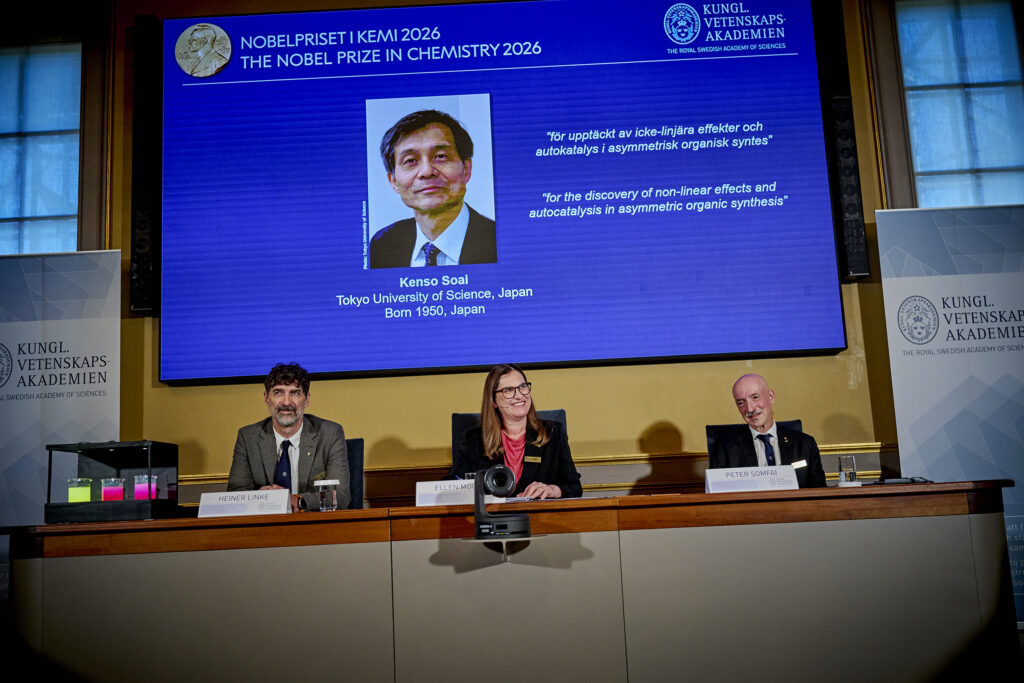
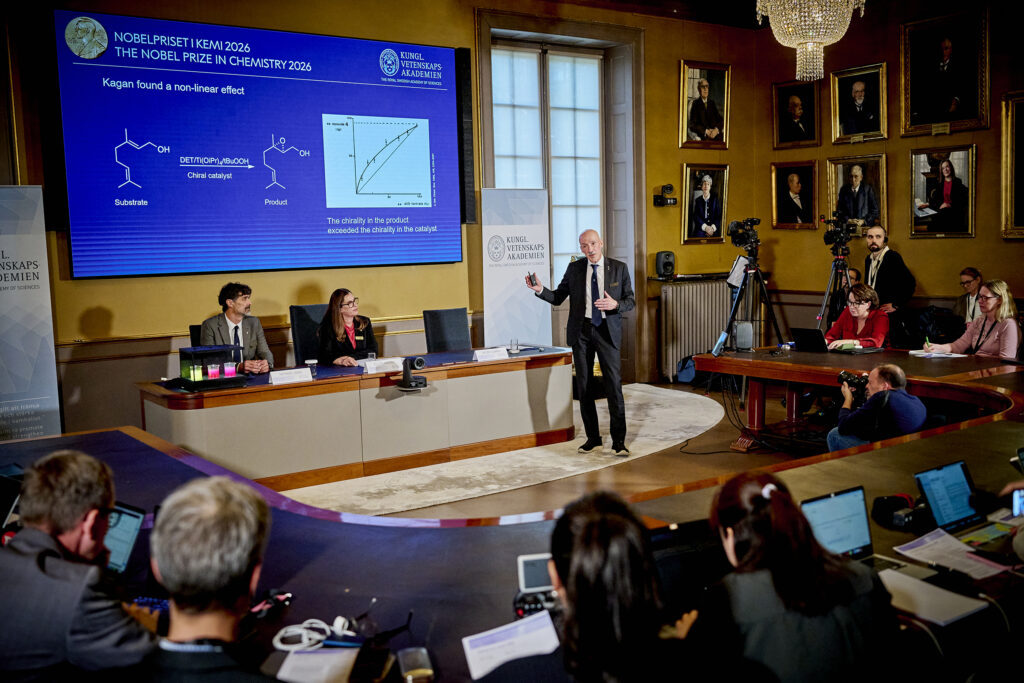
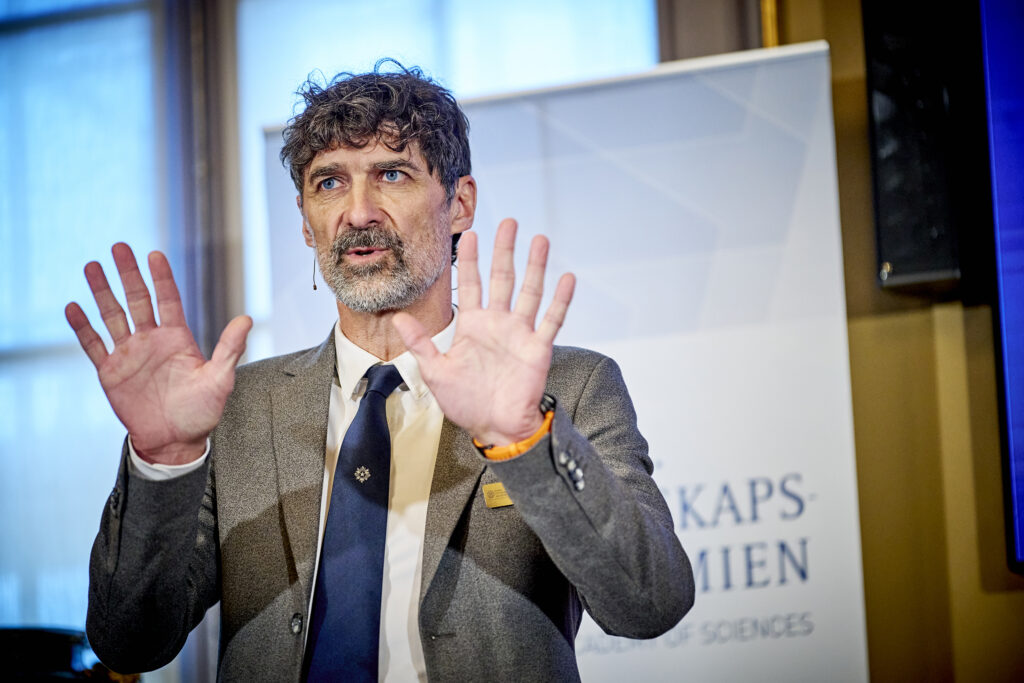
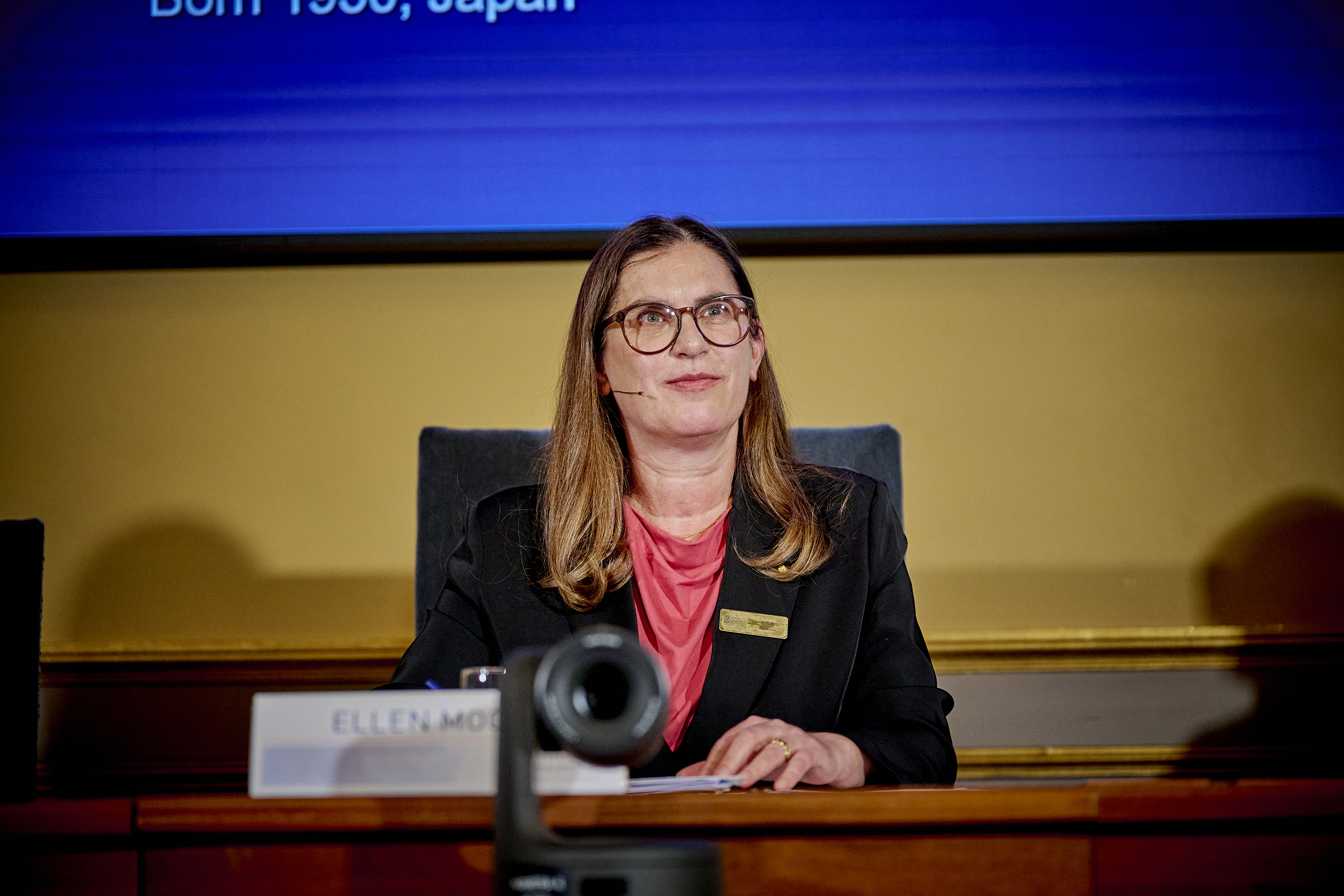
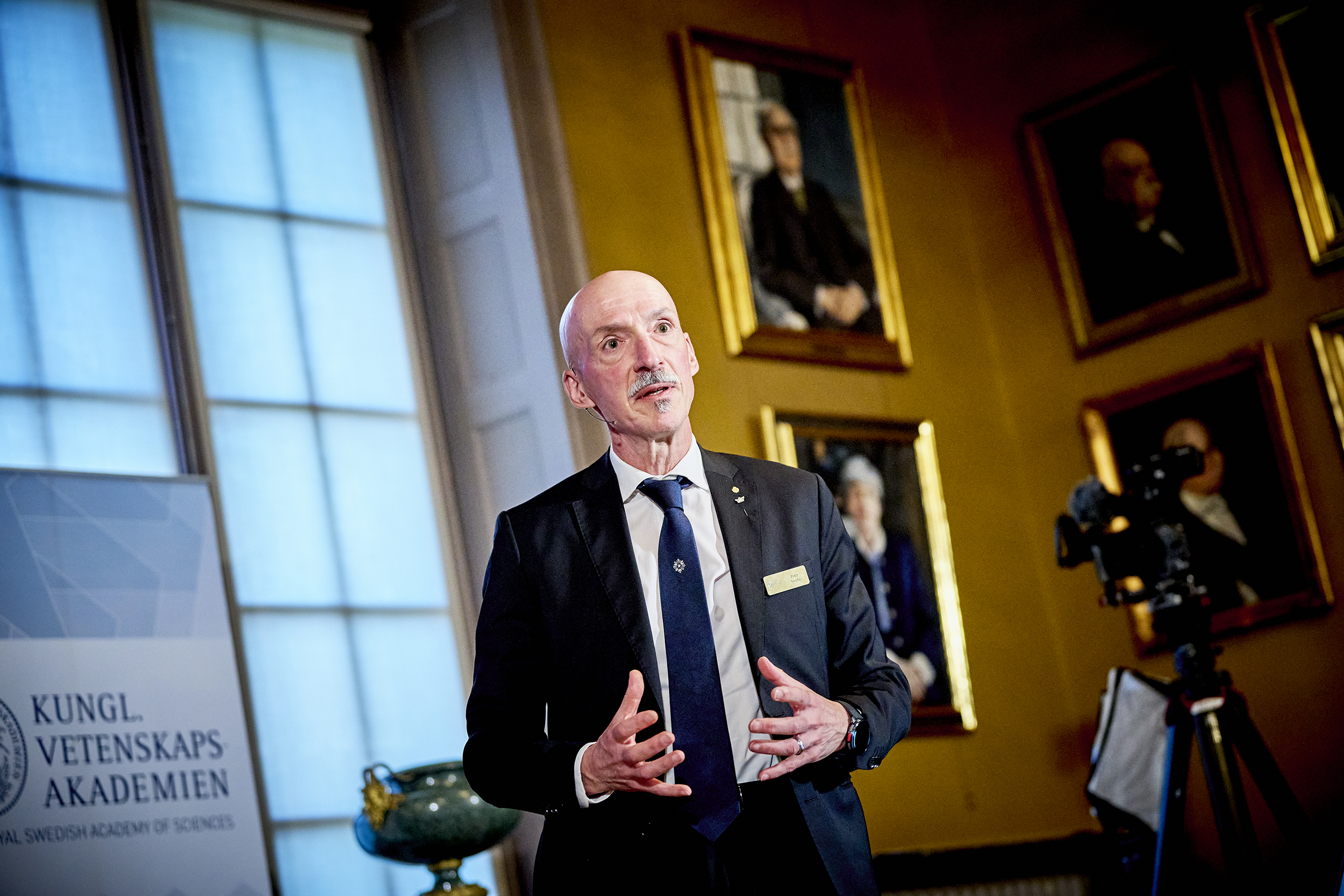
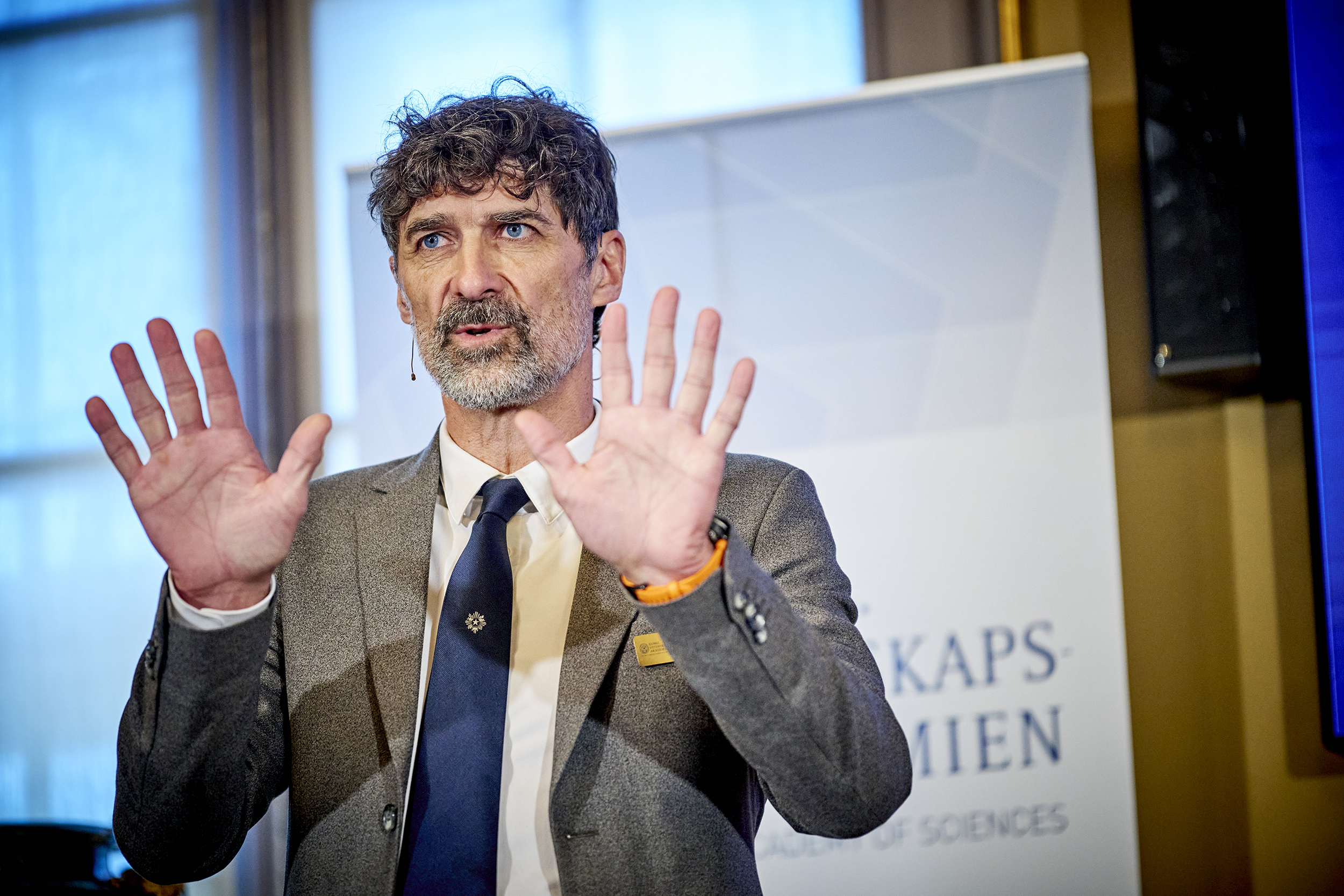
Photos from the press conference
Read more
-
 Event2026-10-07
Announcement of the Nobel Prize in Chemistry 2026
-
 News2026-10-06
The Nobel Prize in Physics 2026: Elusive particles from the universe captured at the South Pole
-
 News2026-10-12
The Prize in Economic Sciences 2026: The Laureates have helped us smooth out the economy’s peaks and t...
-
Nobel Prizes