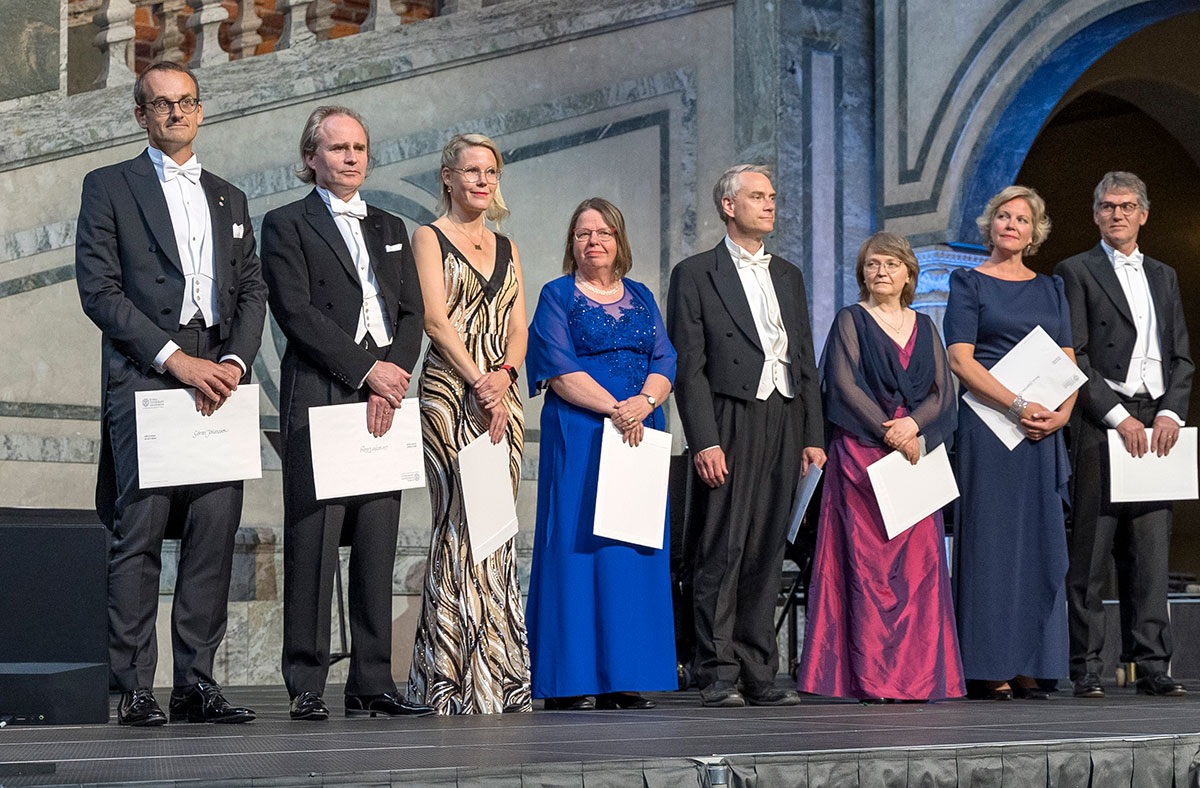
The Royal Swedish Academy of Sciences has elected three new members to the class in geosciences. Agnes Andersson studies the living conditions in rural areas in sub-Saharan Africa. Giuliano Di Baldassarre focuses on the interplay between humans, climate, and water. And Hans Linderholm studies tree rings and what they can tell us about the climate in the Arctic, among other places.
Class for geosciences
Swedish members
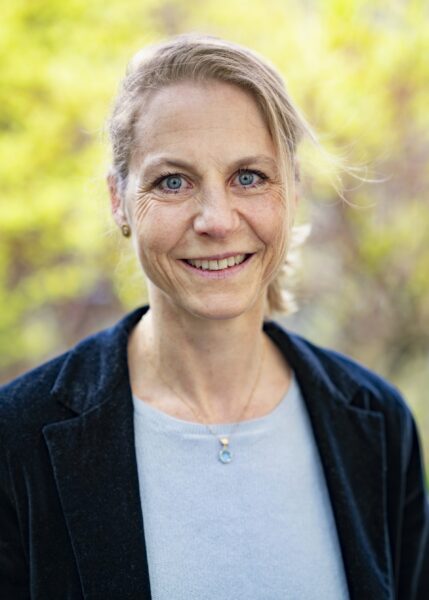
Agnes Andersson is a Professor of Human Geography at Lund University. Her research addresses one of the great challenges of our time: how people in rural areas of low-income countries can achieve decent living conditions and sustainable development. The research focuses on social and economic change within and in connection to agriculture in sub-Saharan Africa.
By combining large-scale data with local surveys and qualitative field studies, her research has provided a deeper understanding of people’s living conditions and actions. It has also created opportunities for generalizable research findings.
A key finding of Andersson’s research is the importance of understanding and taking into account local conditions and social norms in order to create sustainable development initiatives and aid. Her work shows that formal reforms alone, such as granting women the right to own land, are not enough to achieve a more equal and sustainable society. For real change to occur, an understanding of how traditions and unwritten rules govern people’s actions is required. Her research highlights the importance of a human geographical perspective in analyzing social and economic development in rural areas of low-income countries.
Agnes Andersson, Lund University
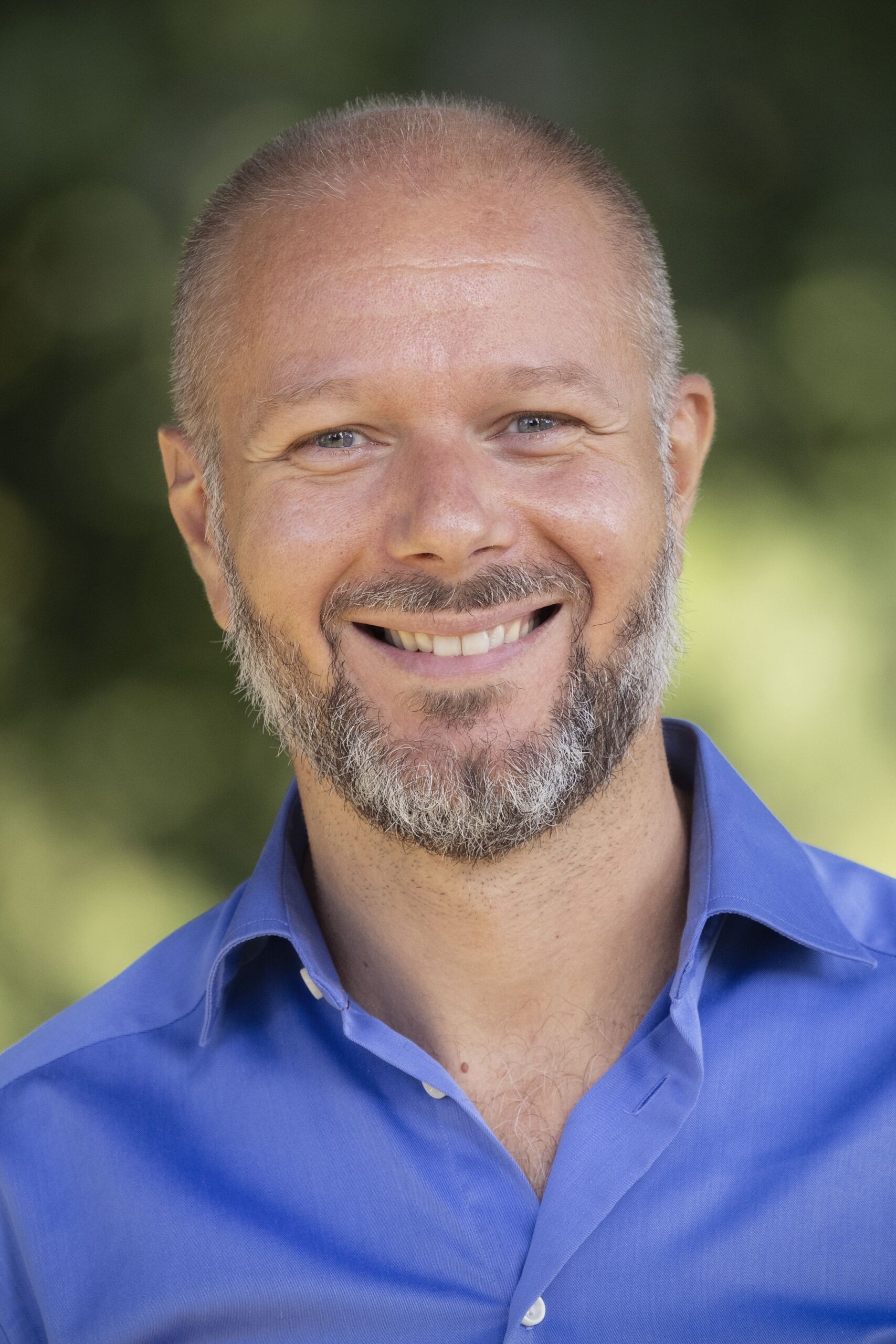
Giuliano Di Baldassarre is Professor of Hydrology and Environmental Analysis at Uppsala University. He conducts interdisciplinary research focusing on the interactions between water, climate and society. This includes studying how floods and droughts affect people in different parts of the world.
His research has been innovative in bringing together knowledge from a wide range of scientific disciplines. Professor Di Baldassarre has, for example, collaborated extensively with social scientists. His research also has considerable potential to benefit society. Among other things, he has led the development of models that can help policymakers reduce the risk of disasters and explore how people will respond and adapt to a changing climate.
For ten years (until 2025), he also served as Director of the Centre of Natural Hazards and Disaster Science (CNDS), a national research centre bringing together researchers from Uppsala University, Karlstad University and the Swedish Defence University. He has received international recognition for his contributions, and his research has had a significant impact. He is among the world’s most highly cited researchers in his field.
Giuliano Di Baldassarre, Uppsala University
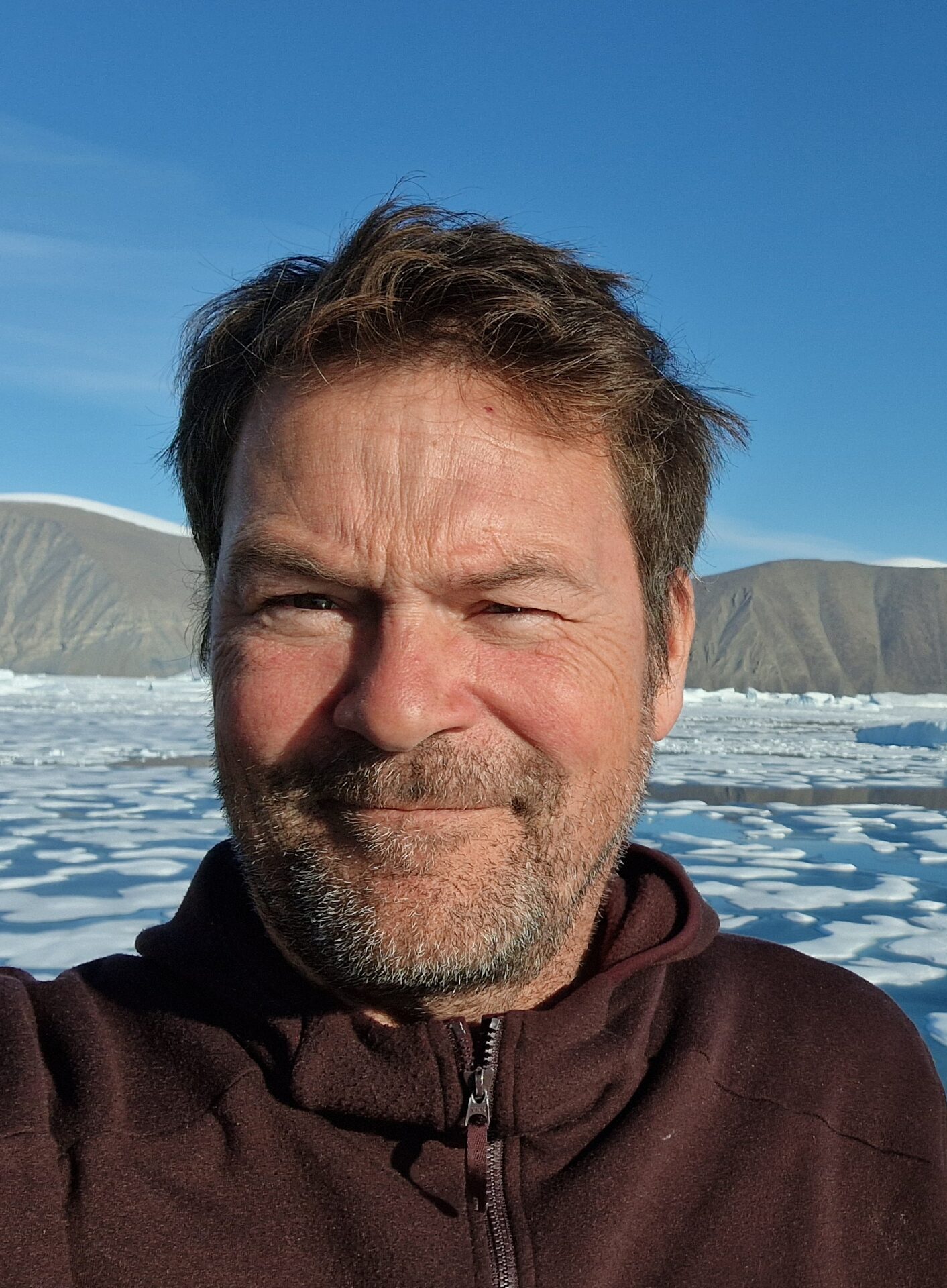
Hans Linderholm is Professor of Physical Geography at the University of Gothenburg. His research covers a broad range of topics within climatology, the study of climate. He has primarily focused on dendroclimatology, which involves studying tree rings to understand how the climate has varied over time in different regions, from the Arctic to tropical Africa. By examining how tree rings have been affected by temperature, precipitation, drought and atmospheric circulation, researchers can reconstruct past climates. These reconstructions are valuable for understanding how the climate varied naturally in the past, without human influence. They can also help reveal the extent to which humans have affected the climate in more recent times.
In 2003, Hans Linderholm founded the Gothenburg University Laboratory for Dendrochronology (GULD), a fully equipped laboratory for tree-ring research. Dendrochronology is a scientific method used to date wood by comparing patterns of tree-ring widths with those of other trees. At GULD however, the main focus is on studying climate variations during the Late Holocene (from 4,200 years ago to the present) and how these variations have affected forest ecosystems and human societies.
Hans Linderholm has also conducted extensive research in the Arctic, including participating in several expeditions aboard the icebreaker Oden. He is now the director of the new School of Excellence in Arctic and Antarctic Learning, SEAL, at University of Gothenburg.
Hans Linderholm, University of Gothenburg