The European Academies’ Science Advisory Council (EASAC) has published a new Commentary which emphasises the need for accelerated transition to home-grown renewable energies and energy system integration.
EASAC Press Release, Brussels, 16 April 2026
Europe is facing its biggest energy crisis in a century, mandating an accelerated transition to home-grown renewable energies. Today, the European Academies Science Advisory Council (EASAC) published a new Commentary which emphasises that radical energy system transformation and integration is a strategic imperative.
With debates in Europe intensifying over how to mitigate the impact of soaring energy prices, ensure security of supply, and restore affordability and industrial competitiveness, the Commentary provides a timely roadmap for action. It highlights how integrating renewable energy sources and modernising grid infrastructure can enable a faster decarbonisation, reduce dependence on volatile fossil fuel markets, alleviate grid congestion, and lower energy costs for everyone.
Can mitigate energy crises
“The current oil and gas crisis just points to one single possible direction, doubling down on decarbonisation efforts to make Europe more secure,” says Prof. Paula Kivimaa, Co-Chair of the EASAC Energy Steering Panel.
How energy system integration mitigates the energy crisis:
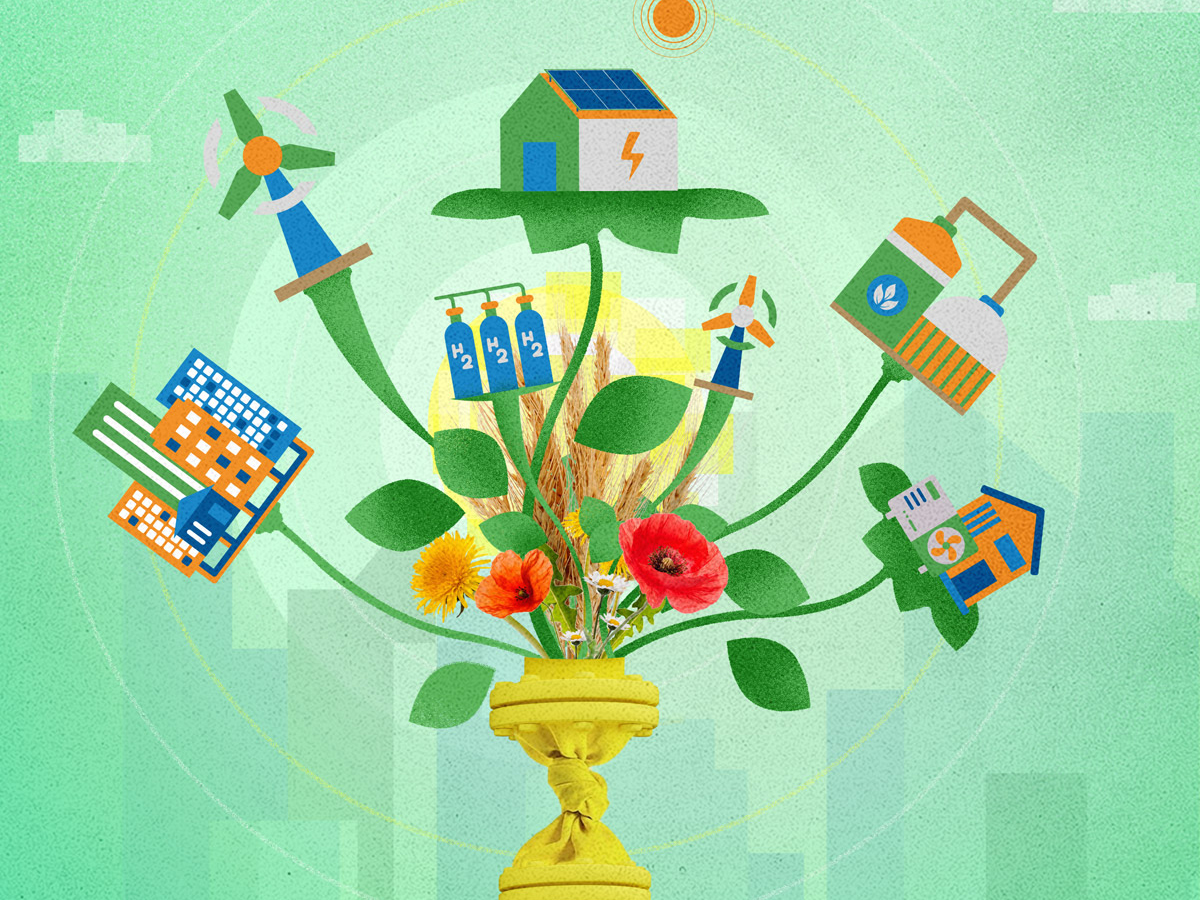
- Coupling end-use sectors through electrification of heating, transport, and industry as well as the integration of thermal energy storage, reduces the use of fossil fuels and thus costs;
- Implementation of grid flexibility management measures and appropriate voltage and frequency controls decreases dependency on backup generation from fossil fuels;
- Smart systems match daytime loads with the available solar photovoltaic generation and optimise storage for night-time use, thereby reducing the needs for grid reinforcements with their associated costs and permitting delays.
Prof. Kivimaa notes that crises can often be catalysts for decisive action:
“Some of the measures taken to mitigate previous oil crises brought about structural changes in energy policy and consumer behaviour – in particular thermal insulation, energy efficiency standards and a shift in public awareness. These measures continue to have an impact. Today, we have the additional benefit that renewable energy technologies are much more advanced. If policymakers act fast and decisively, we can reduce the impacts of future crises from fossil fuel trade and supply chains.”
Contacts
Prof. Paula Kivimaa
Paula.kivimaa@syke.fi
For general enquiries
Sabine Froning
sabine.froning@easac.eu
+49 15208727000
About European Academies’ Science Advisory Council (EASAC)
EASAC unites the national science academies of the EU Member States, Norway, Switzerland and United Kingdom, to collaborate in giving advice to European policymakers. Through EASAC, the academies work together to provide independent, evidence-based advice about the scientific aspects of European policies to those who make or influence policy within the European institutions.
www.easac.eu