The third COMETA General Meeting is held at the Royal Swedish Academy of Sciences in Stockholm, on June 1-3, 2026. In the evening of the first day, an outreach event open to the public will be organised, connecting both to the theme of the conference and to the venue, where the Nobel Prize in Physics is decided every year.
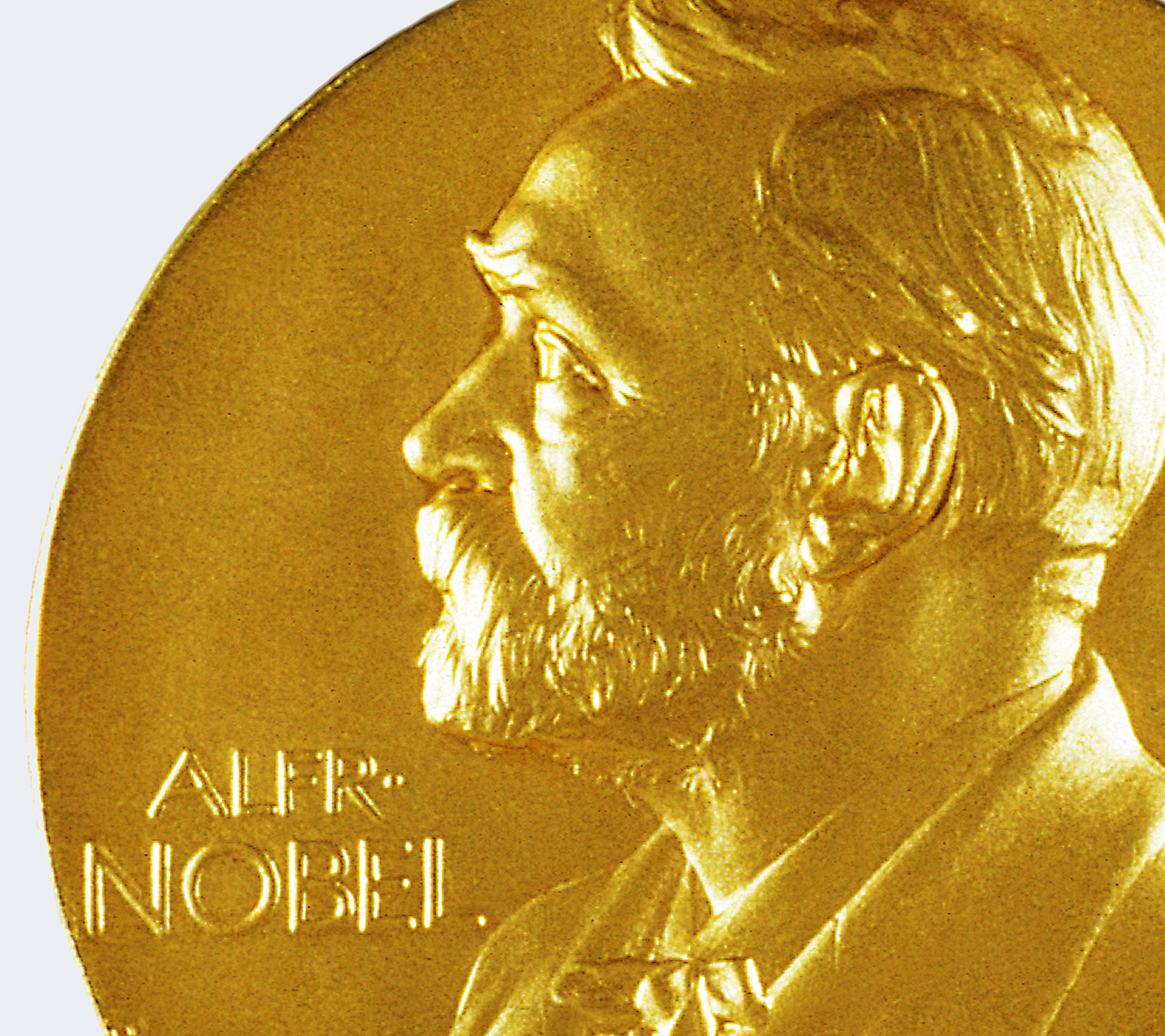
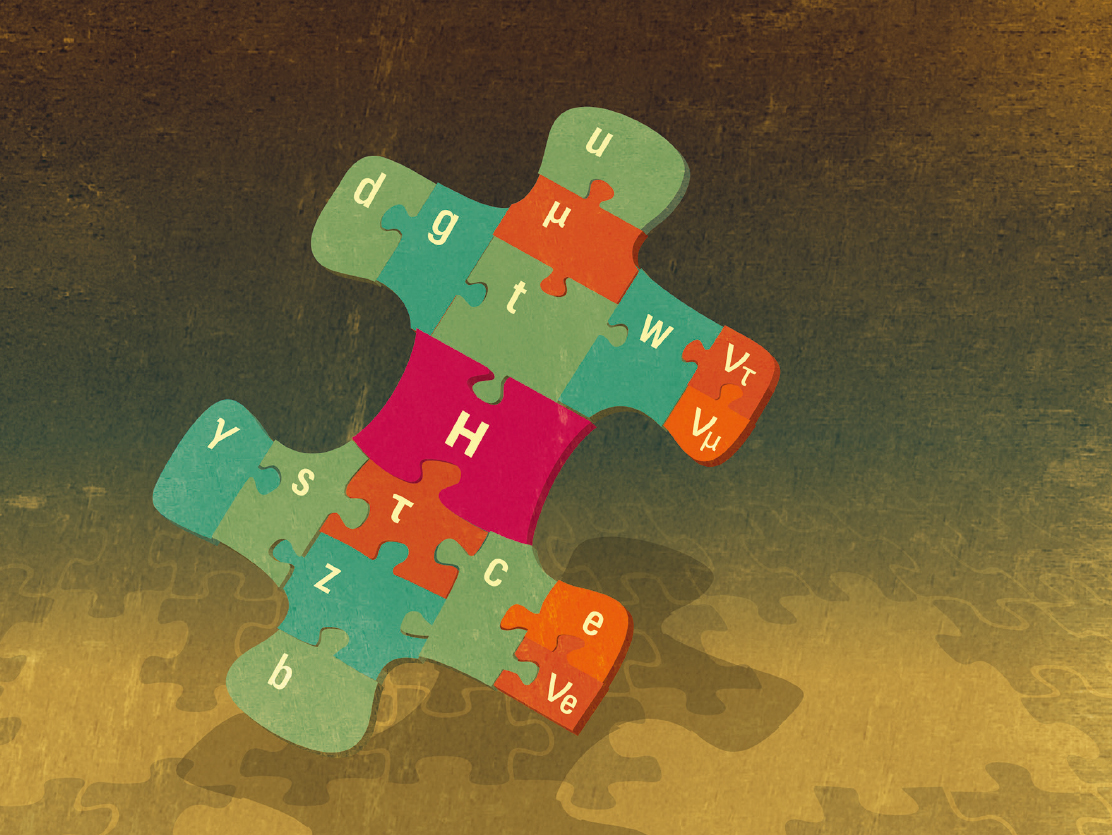
Particle physics explores how the universe operates. It looks at the universe’s smallest building blocks using history’s largest science experiments. The Nobel Prize in Physics recognises the most important discoveries about the universe and the inventions needed to make these discoveries. Join us on Monday, 1 June 2026 at the Royal Swedish Academy of Sciences to hear Prof. Freya Blekman from the Deutsches Elektronen-Synchrotron (DESY) laboratory in Germany and Prof. Mats Larsson from Stockholm University and the Royal Swedish Academy of Sciences talk about particle physics, the Nobel Prize, and the scientists that make everything happen.
Programme
18:00
The Nobel Prize in Physics – how it’s done
Professor Emeritus Mats Larsson
The procedure for awarding the Nobel Prize in Physics has changed very little since 1901. It rests on three pillars: nominations, evaluations and the Nobel Committee’s proposal to the decision-making body, the Royal Swedish Academy of Sciences. Mats Larsson will describe the procedure and give some examples from previous Nobel Prizes.
18:45
Understanding the Large Hadron Collider: What, why and how?
Professor Freya Blekman
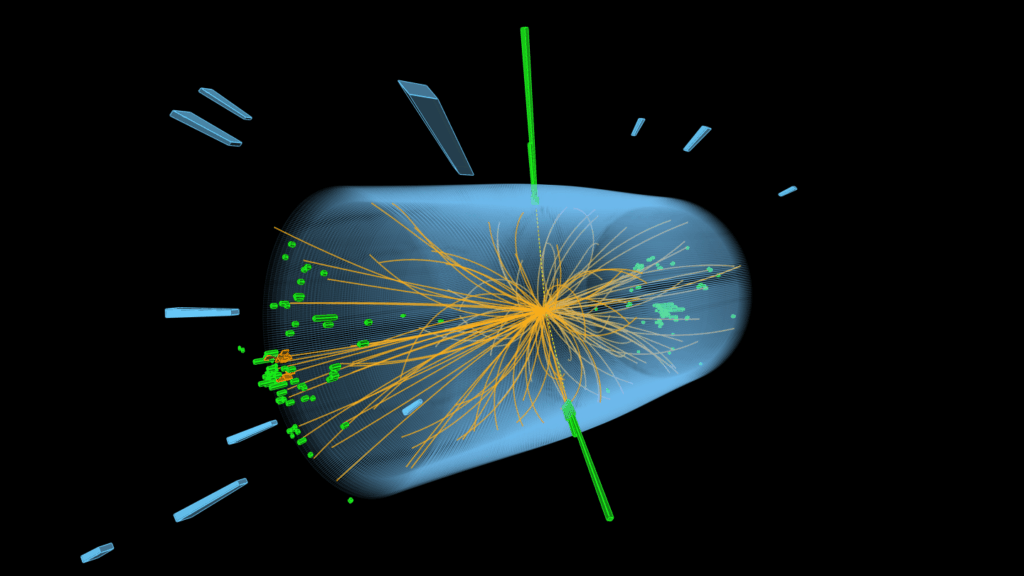
Ever wondered about why the 27-kilometre Large Hadron Collider was built and what scientists do with it? Then this is the talk for you! Colliders are the Swiss Army knife of physics experiments, investigating everything from new particles and forces to the birth of the universe. As one of the physicists who work with the enormous detectors that record collisions at the Large Hadron Collider, I will not only talk about why particle physics is necessary and interesting for everyone, but also discuss the fun and social aspects of this exceptional human effort to understand the building blocks of matter.
19:30
End of event
About the speakers
Freya Blekman is a lead scientist at the German physics laboratory DESY and a Helmholtz Distinguished Professor of physics at the University of Hamburg. She holds additional chairs as a guest professor at Oxford University and Vrije Universiteit Brussel. She works at CERN, where she uses data from the Large Hadron Collider, collected by the Compact Muon Solenoid (CMS) experiment, to examine undiscovered physics processes and search for new particles. Blekman is an experienced science communicator who has won many prizes for her science and also for science communication.
Mats Larsson is Professor Emeritus at Stockholm University and Chairman for the Class for physics at the Royal Swedish Academy of Sciences. He was a member of the Nobel Committee for Physics for nine years and has presented the Nobel Prize in Physics both at press conferences and in the Concert Hall at the Nobel Prize award ceremony on December 10.
This outreach event is free of charge and open to the public but registration is required.
Photo: CMS Collaboration; Mc Cauley, Thomas
Privacy Policy
The Royal Swedish Academy of Sciences occasionally records and photographs during its events. Photographs and video footage will be processed by the Academy and submitted to third parties for processing. Photographs and videos may also be used in our communication activities to provide information about the Academy’s activities in any of the digital and/or printed channels used by the Academy. If you do not consent to this or have other questions about our processing of personal data, please call us on +46 8 673 95 00, or email gdpr@kva.se
Read more about how the Academy processes your personal data
Contact: Peter Brandén
Email: program@kva.se